
THE CONFESSIONS PROJECT
What began as a confession booth on the streets of Chicago became an immersive exhibition built from over 1,000 anonymous confessions.
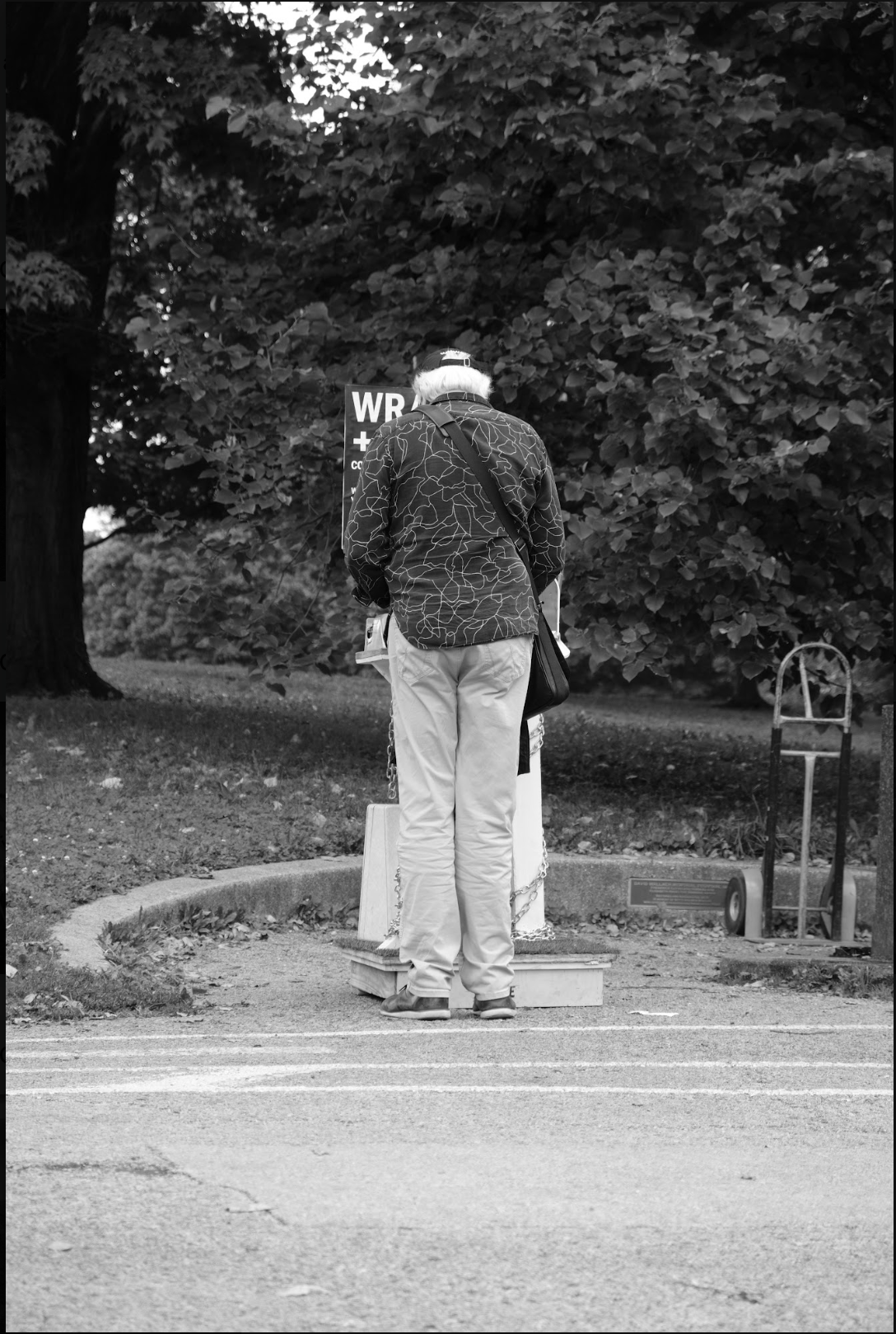
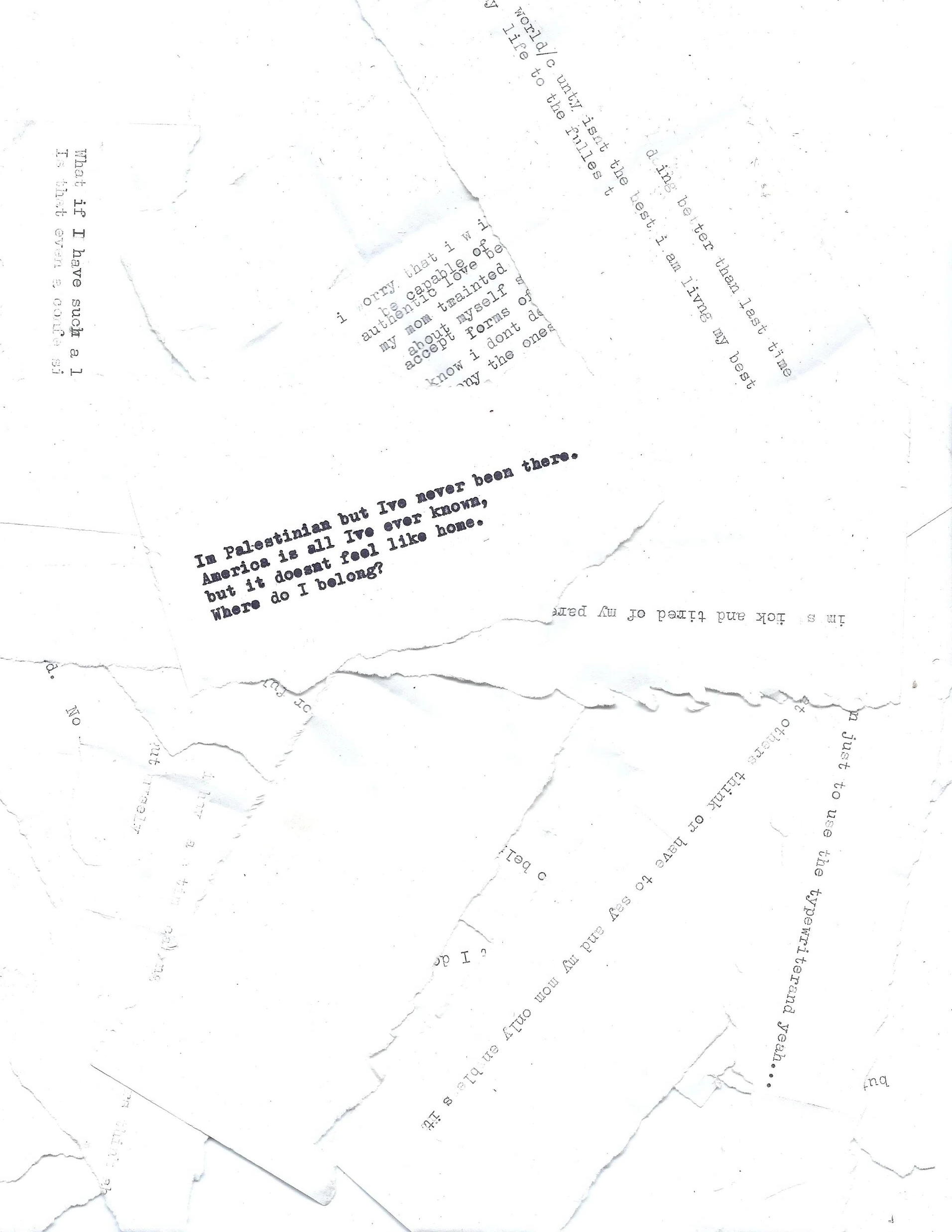
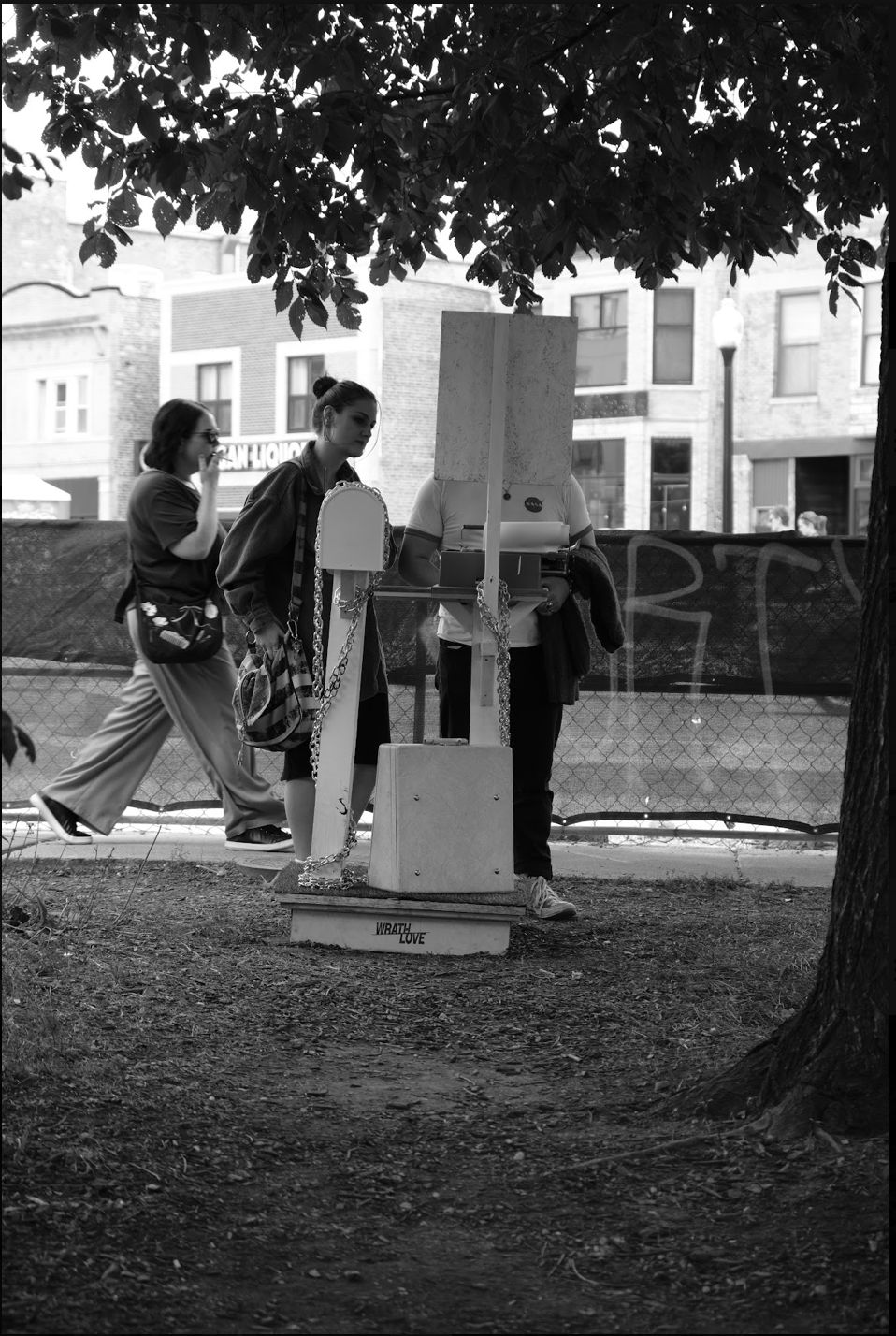
For one year, The Confessions Project invited strangers throughout Chicago to anonymously confess something they had never said aloud. What began as a handmade confession booth, a vintage typewriter, and a mailbox evolved into an archive of more than 1,000 anonymous confessions.
As the archive grew, so did the project. People returned to the booth, shared it with friends, continued submitting confessions online, and helped transform a simple street installation into a public conversation. Along the way, the project was featured by FOX 32, WGN, and Block Club Chicago, introducing the archive to an even wider audience.
After collecting more than 1,000 confessions, I realized the project no longer belonged solely to me. It had become a portrait of the city itself.
The exhibition transformed that archive into a physical experience where visitors could discover stories, contribute new confessions, hear anonymous voices, and experience the project from multiple perspectives.
More importantly, it became an opportunity to challenge myself as a creative—not just by making artwork, but by designing, fabricating, promoting, and producing an immersive exhibition from the ground up.
Everything documented in this case study was conceived, designed, fabricated, promoted, and installed over four weeks with no institutional backing, fabrication team, or production budget beyond what I could bootstrap myself.
CASE STUDY
The Confessions Project began with a simple question
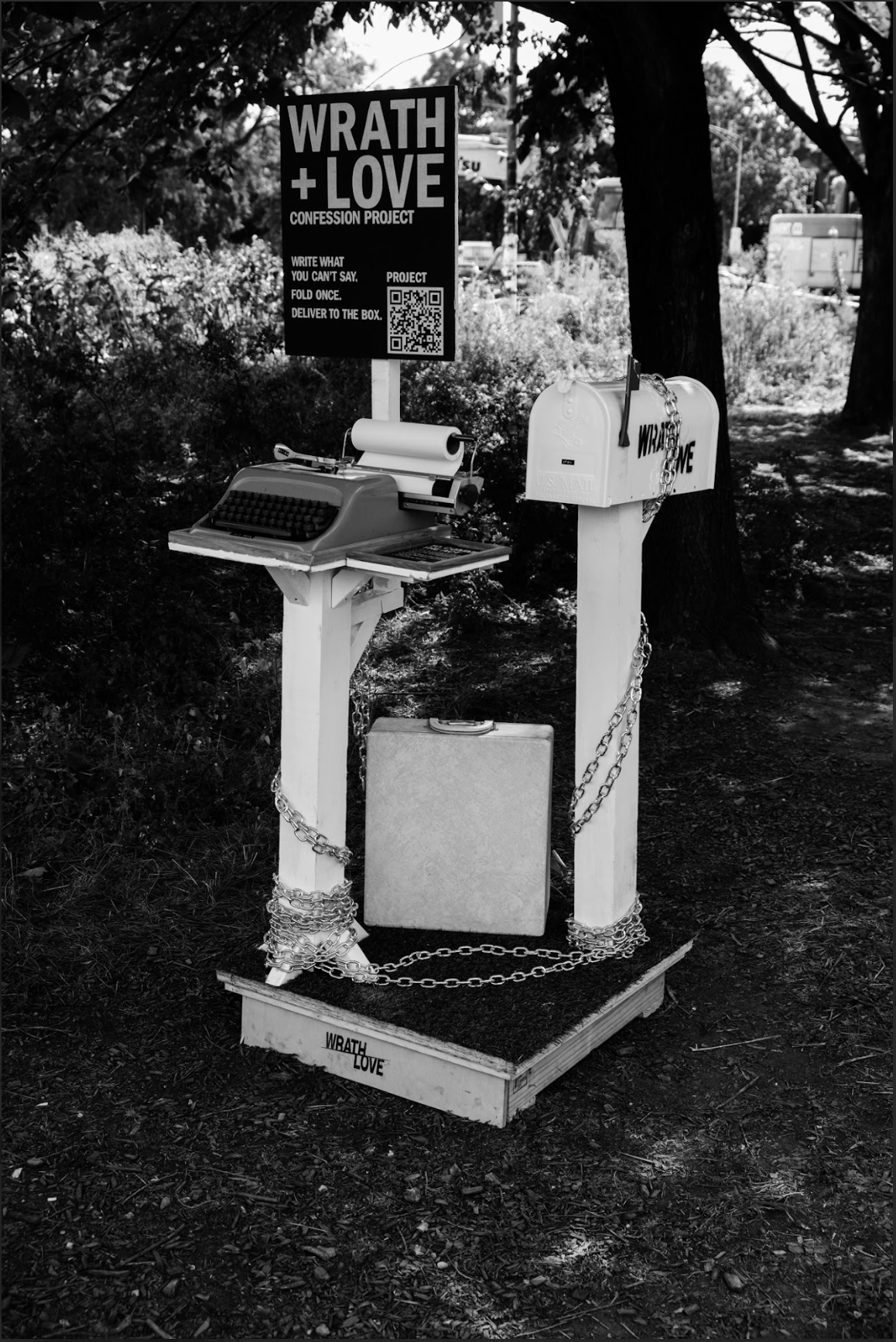
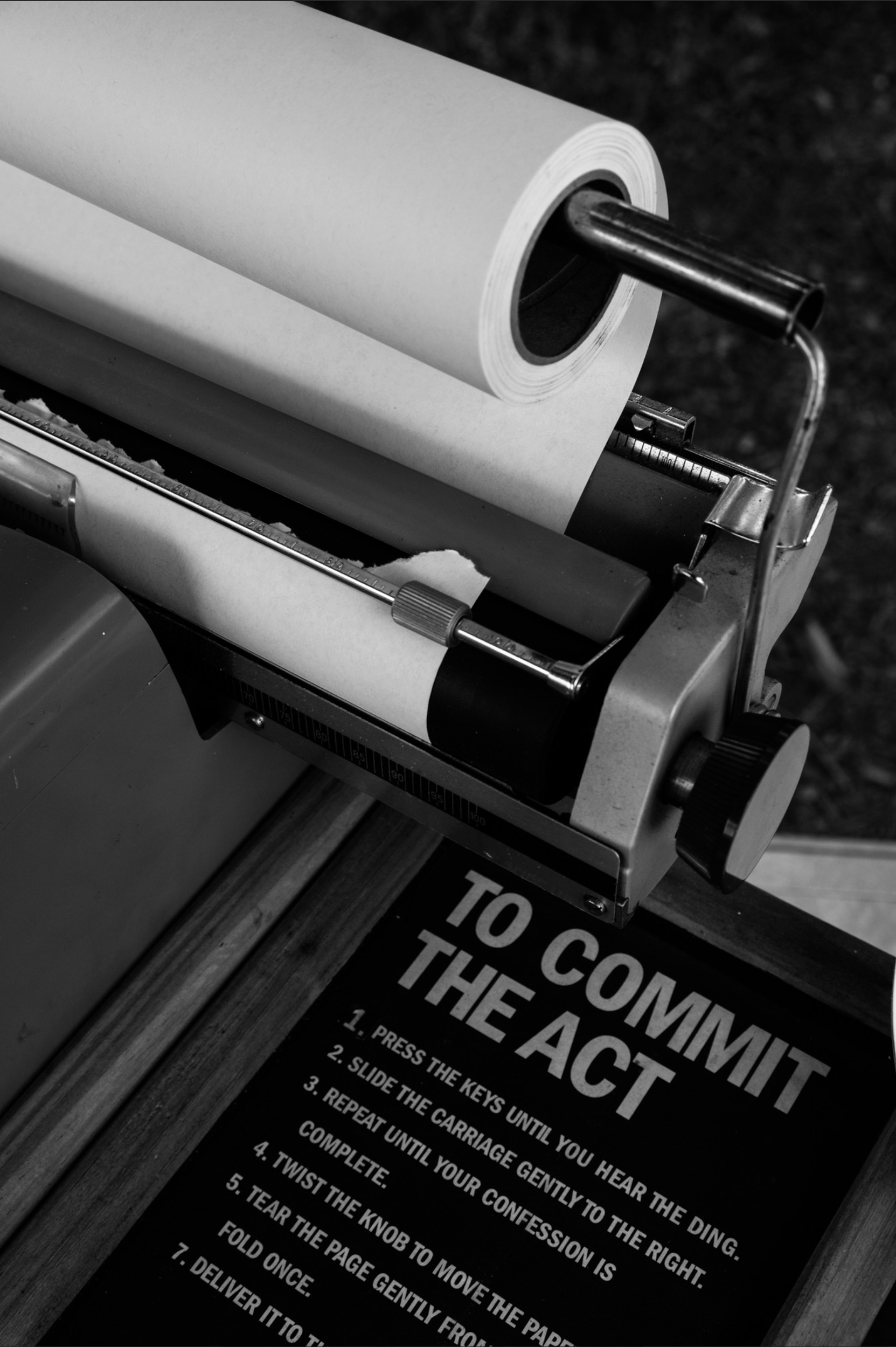
What would happen if strangers were given a place to tell the truth anonymously? In August 2025, I built a portable confession booth and installed it throughout neighborhoods across Chicago, inviting anyone passing by to anonymously confess something they had never said aloud. The typewriter became an essential part of the experience. Unlike a phone or laptop, it forced people to slow down. Every word required intention. Every mistake remained visible. At the same time, its mechanical nature preserved anonymity. There were no names, no handwriting, and no expectation that anyone would ever know who wrote each confession. People weren't performing for social media. They were writing for themselves. As the archive grew, so did the project. Alongside collecting confessions, I began filming Chicagoans reading anonymous submissions and sharing their thoughts, advice, and interpretations. Later, I invited artists from across Chicago to respond to those same confessions, creating another layer of conversation around the archive. Throughout the year, I documented the project across social media while earning coverage from FOX 32, WGN, and Block Club Chicago. By the end of the year, the project had grown far beyond a street installation. It had become an archive of more than 1,000 anonymous confessions. It deserved a physical home.
THE ORIGIN
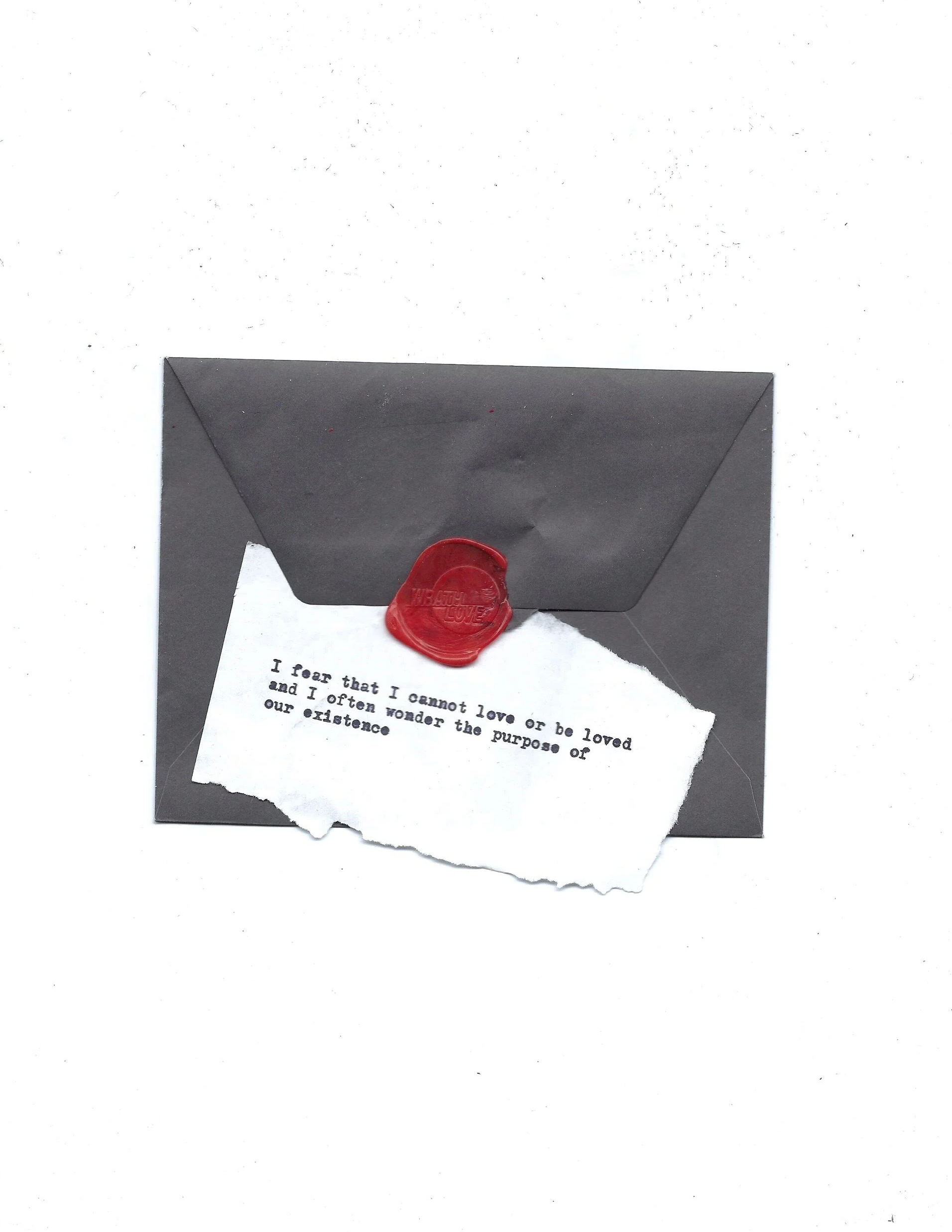
The exhibition was never intended to simply display confessions. I wanted to build an environment that felt like stepping inside the project itself. Rather than hanging artwork in a gallery, I wanted visitors to move through an archive, discover stories, hear voices, contribute their own confessions, and experience the project from multiple perspectives. At the same time, I wanted to challenge myself creatively.
Could I design an immersive exhibition?
Could I fabricate large-scale installations?
Could I coordinate artists, media, fabrication, logistics, and promotion almost entirely on my own?
I had four weeks to find out.
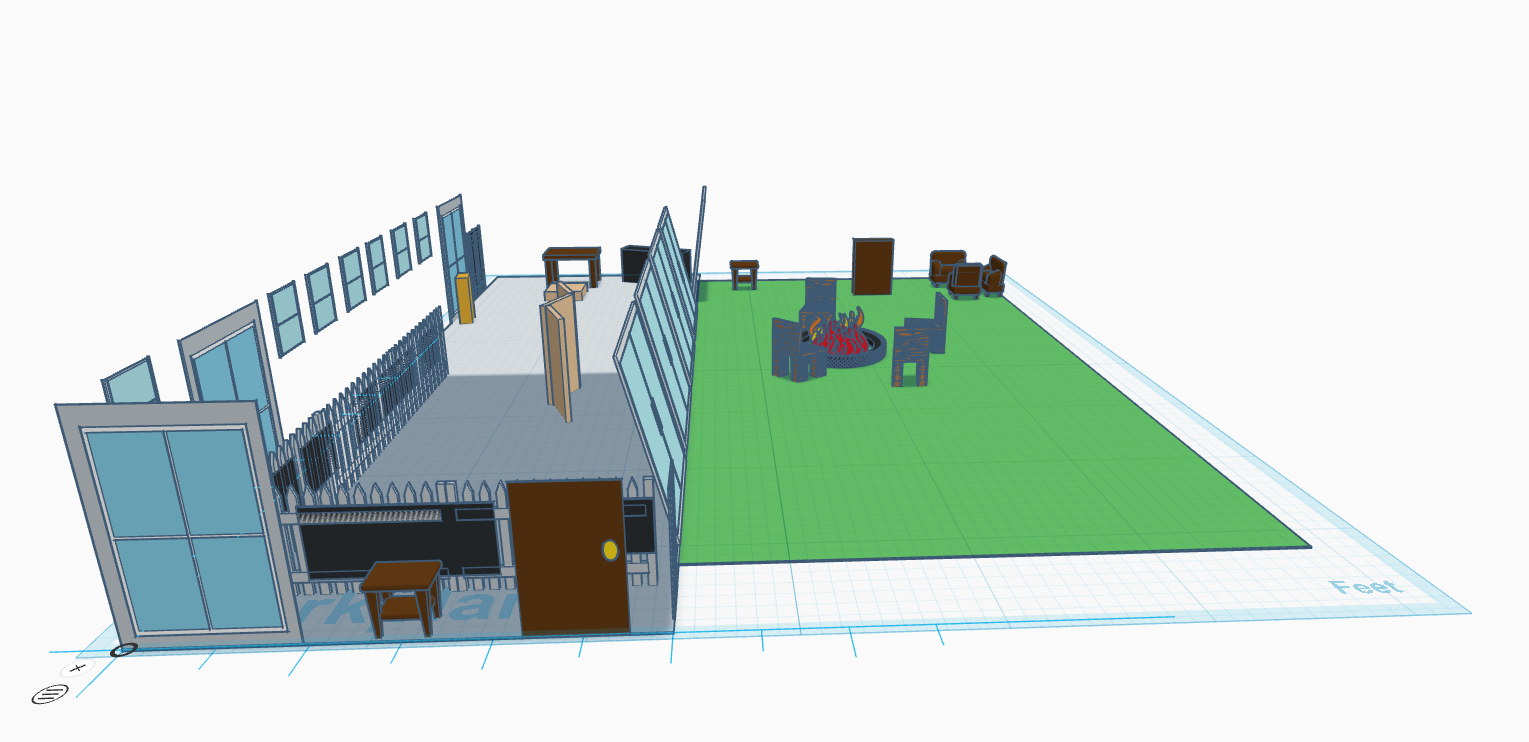
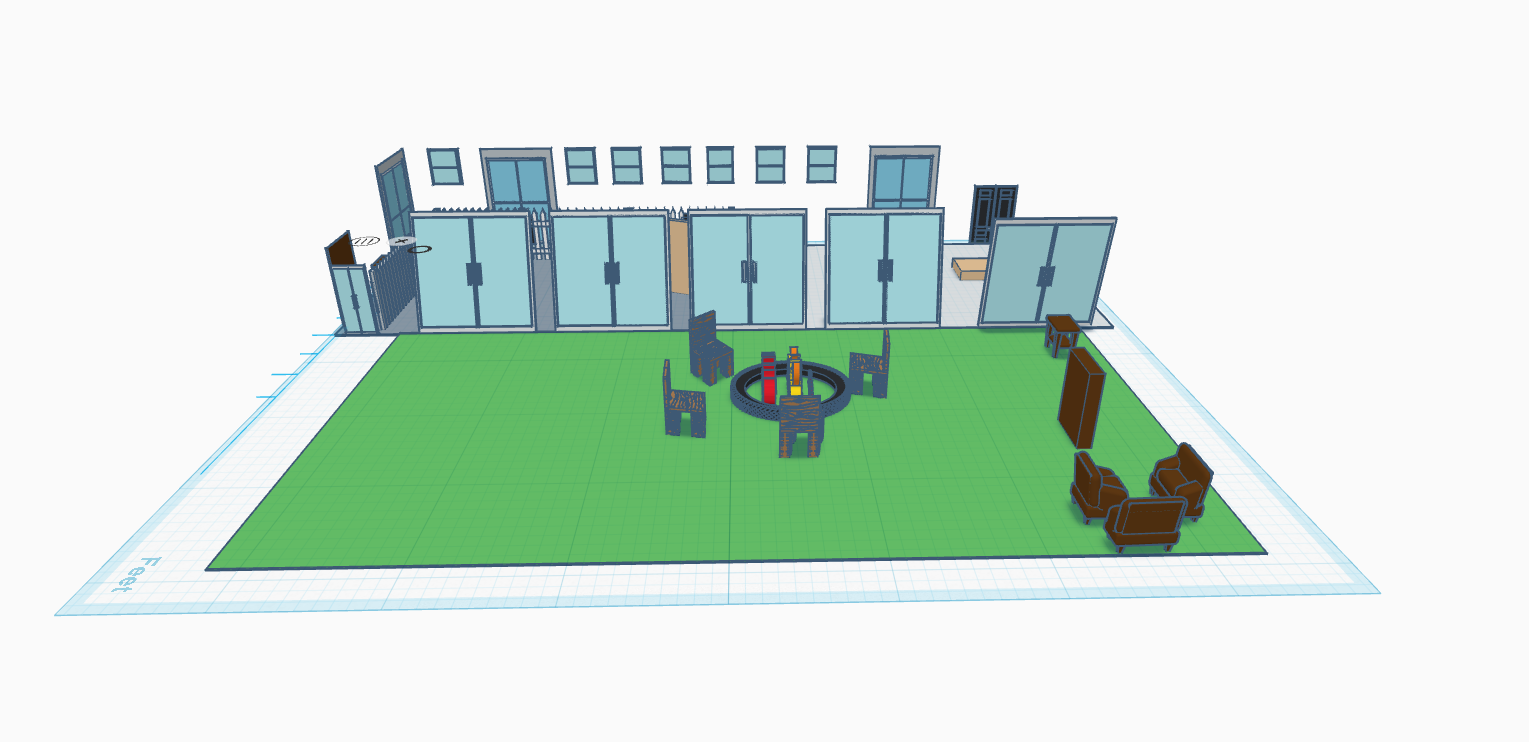
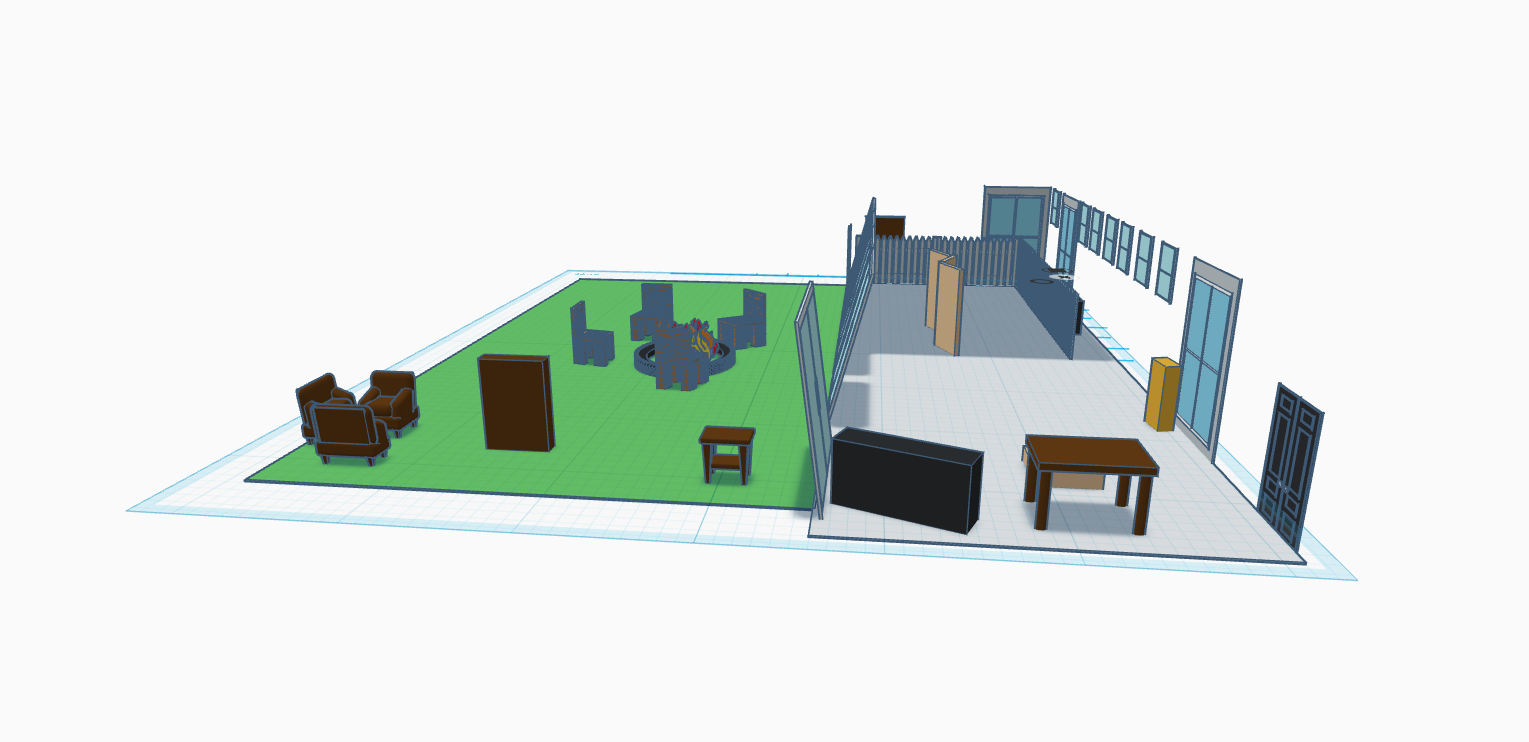
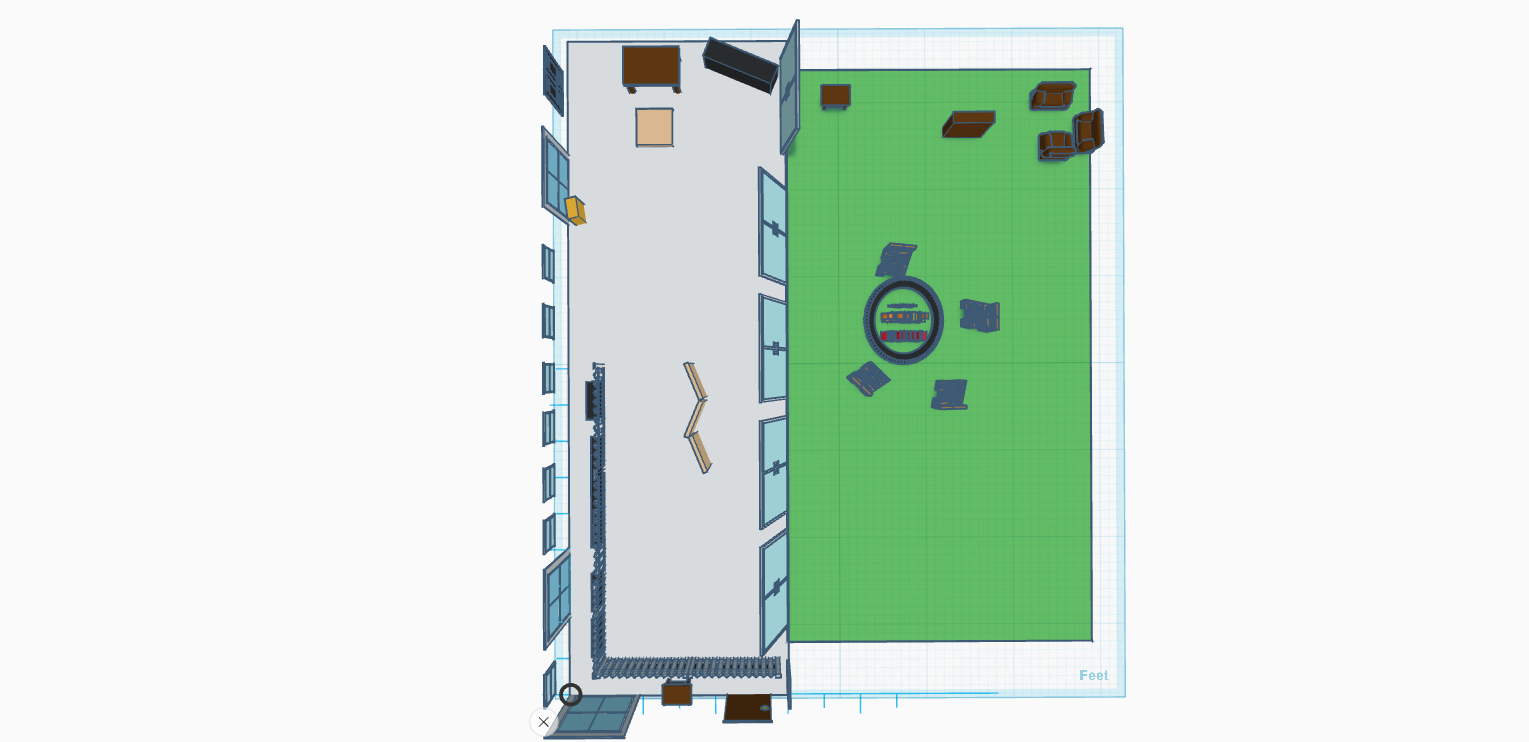
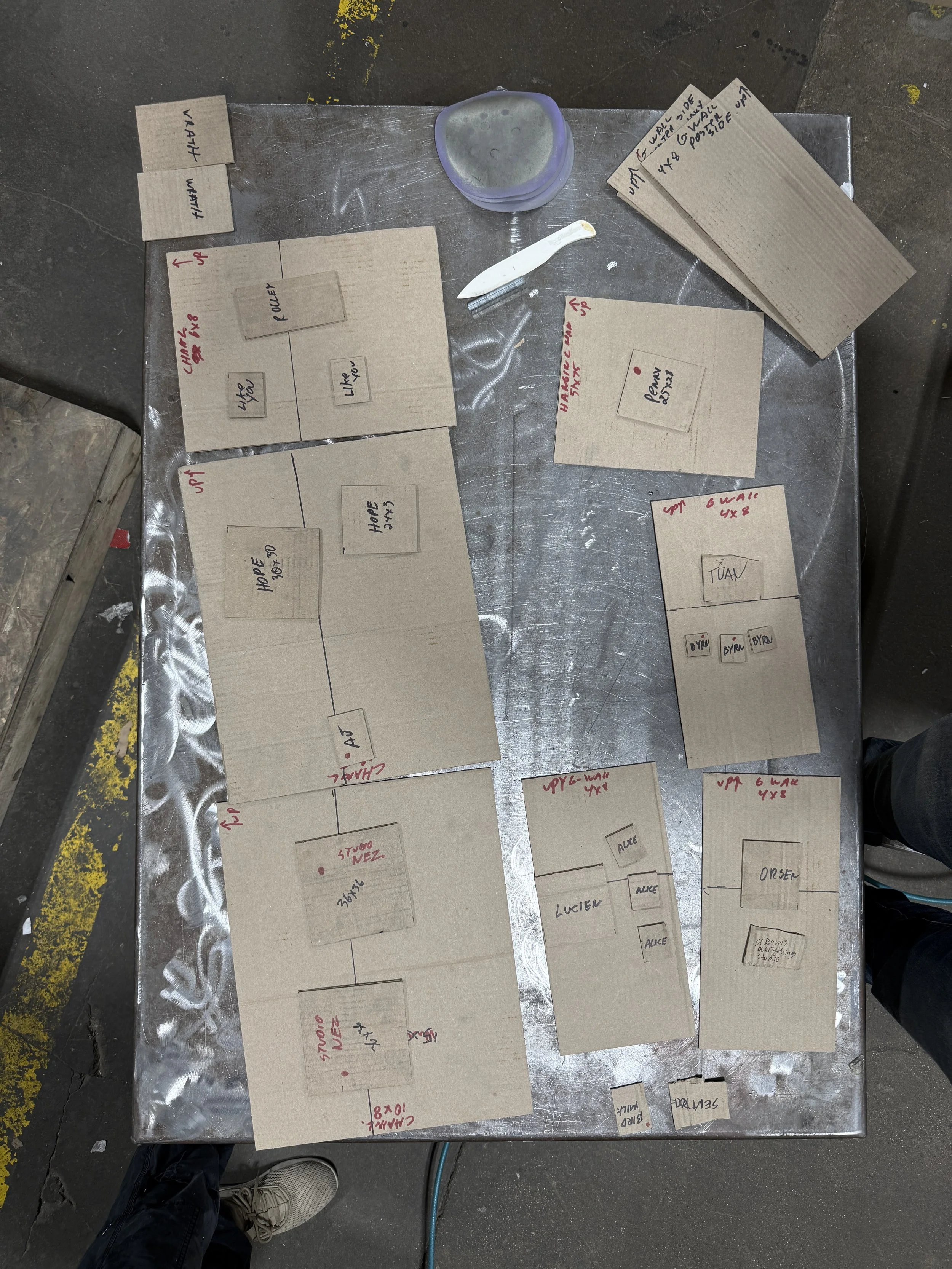
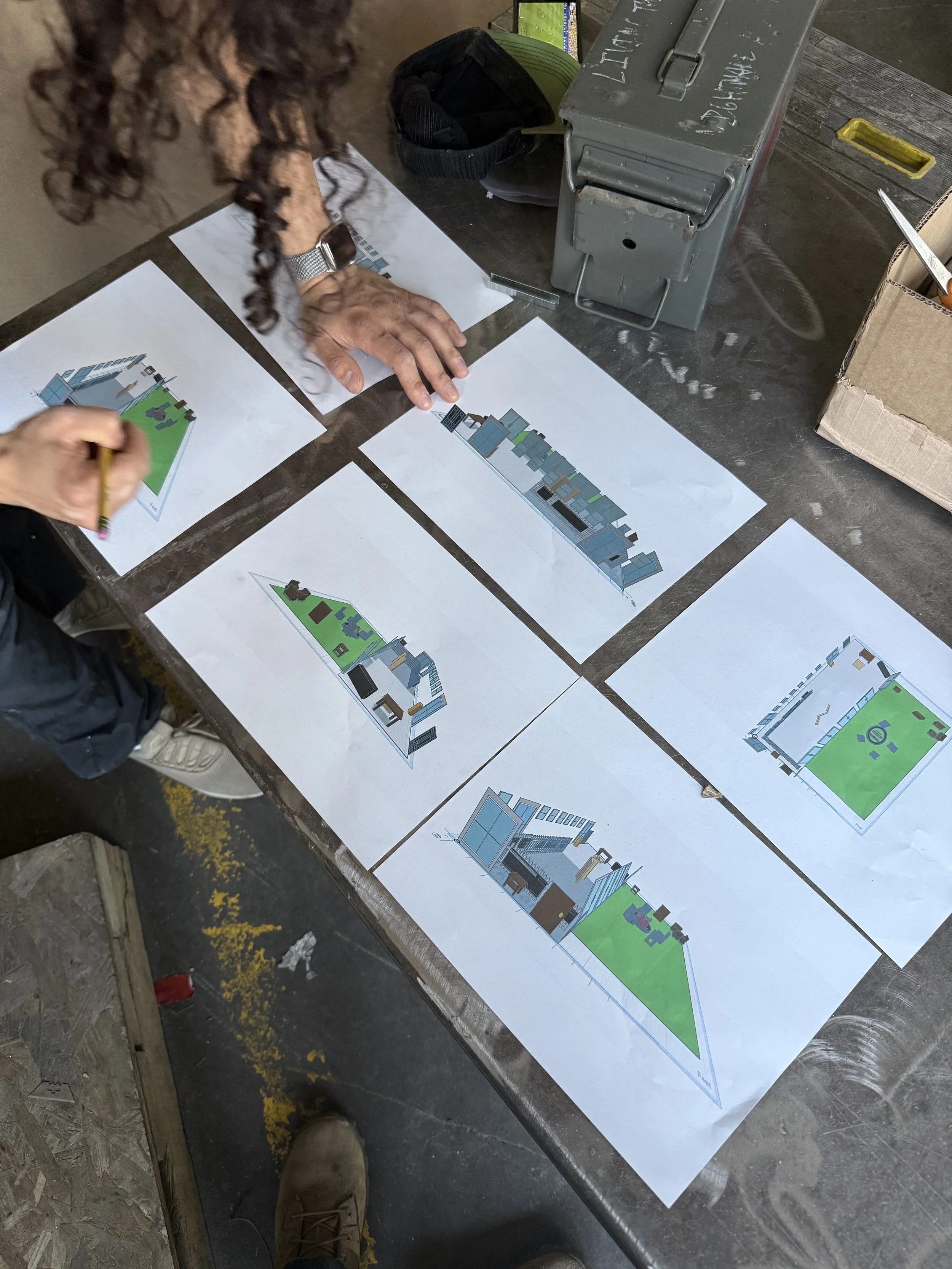
For the next month I worked seven days a week from morning until night designing, sourcing materials, building installations, filming content, delivering artist invitations, promoting the exhibition, and solving whatever new problem appeared that day. Before a single wall was built, the exhibition existed as a floor plan. Because every artist's work varied in size, I recreated the venue in CAD and tested multiple exhibition layouts before committing to construction. This allowed me to plan visitor flow, installation placement, and determine which display structures needed to be fabricated. One of the biggest design decisions came only days before opening. The gallery space was significantly larger than anticipated, so I reorganized the exhibition around an L-shaped corridor that compressed the entrance sequence before opening into the larger gallery. The goal wasn't simply to fit artwork. It was to control pacing, create intimacy, and encourage visitors to discover the exhibition gradually instead of seeing everything at once.
From Street Project to Exhibition
Designing the Experience
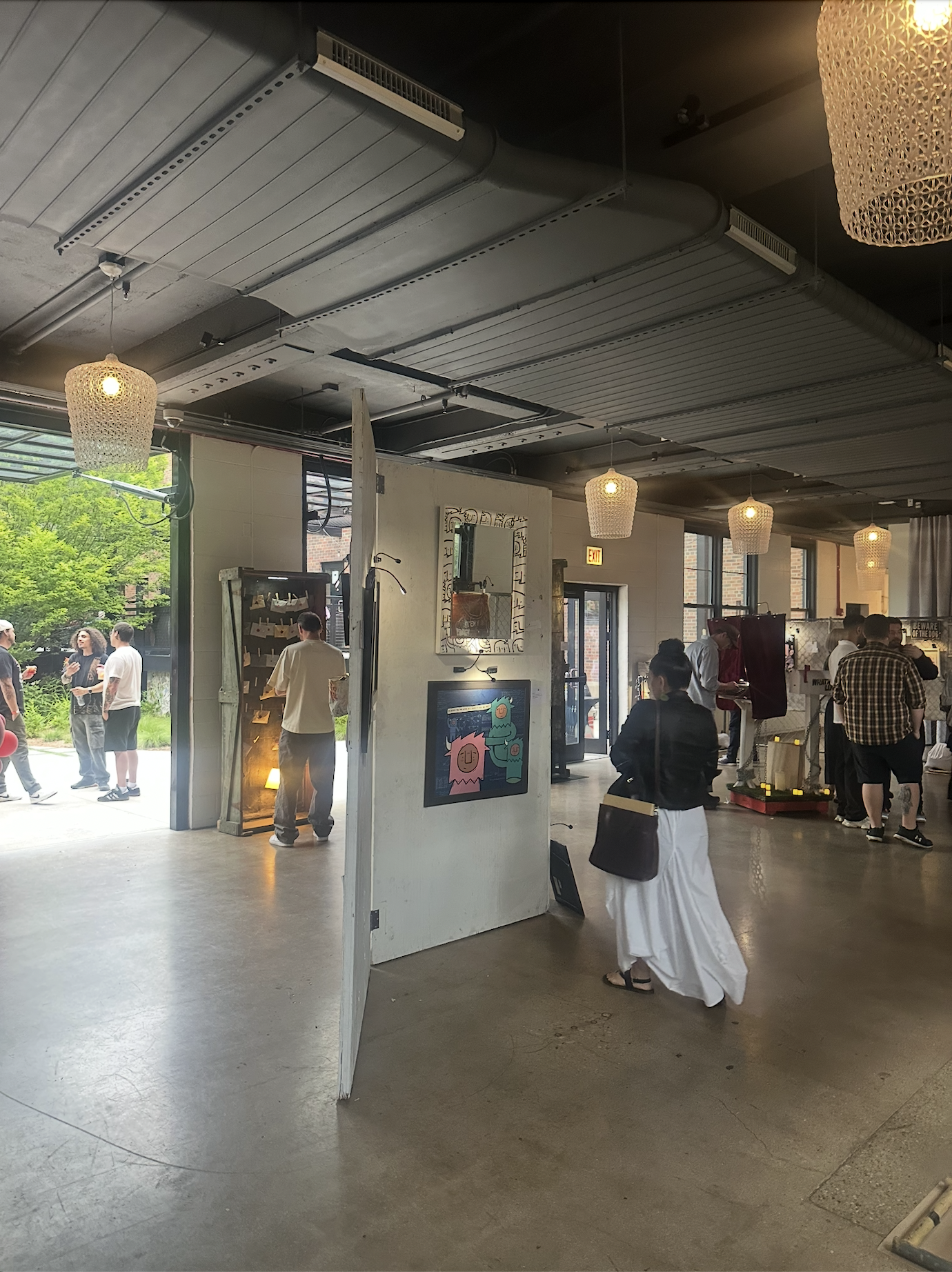
Every installation was designed to encourage participation rather than passive observation. Instead of asking visitors to simply look at artwork, I wanted them to move through the exhibition as active participants. Guests could browse hundreds of anonymous confessions inside a physical archive, listen to recorded readings through vintage televisions, write their own confession on a typewriter, and watch artists reinterpret real confessions through painting, sculpture, photography, and mixed media. The exhibition unfolded as a series of discoveries. Each installation revealed a different perspective on the project, allowing visitors to experience the archive through multiple mediums rather than a single narrative. My goal was to blur the line between gallery, archive, and public installation. By the end of the exhibition, visitors hadn't simply viewed the project. They had become part of it.
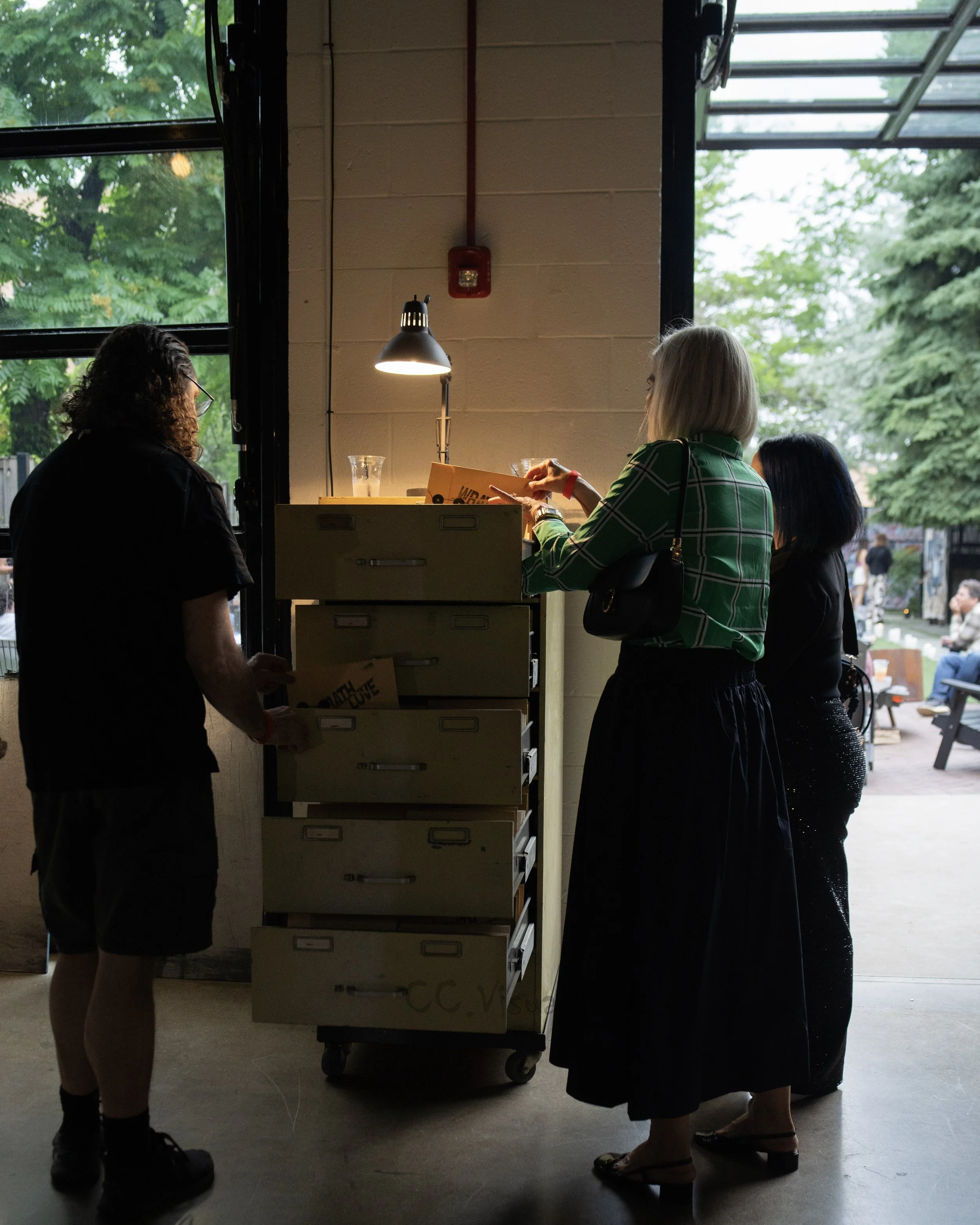
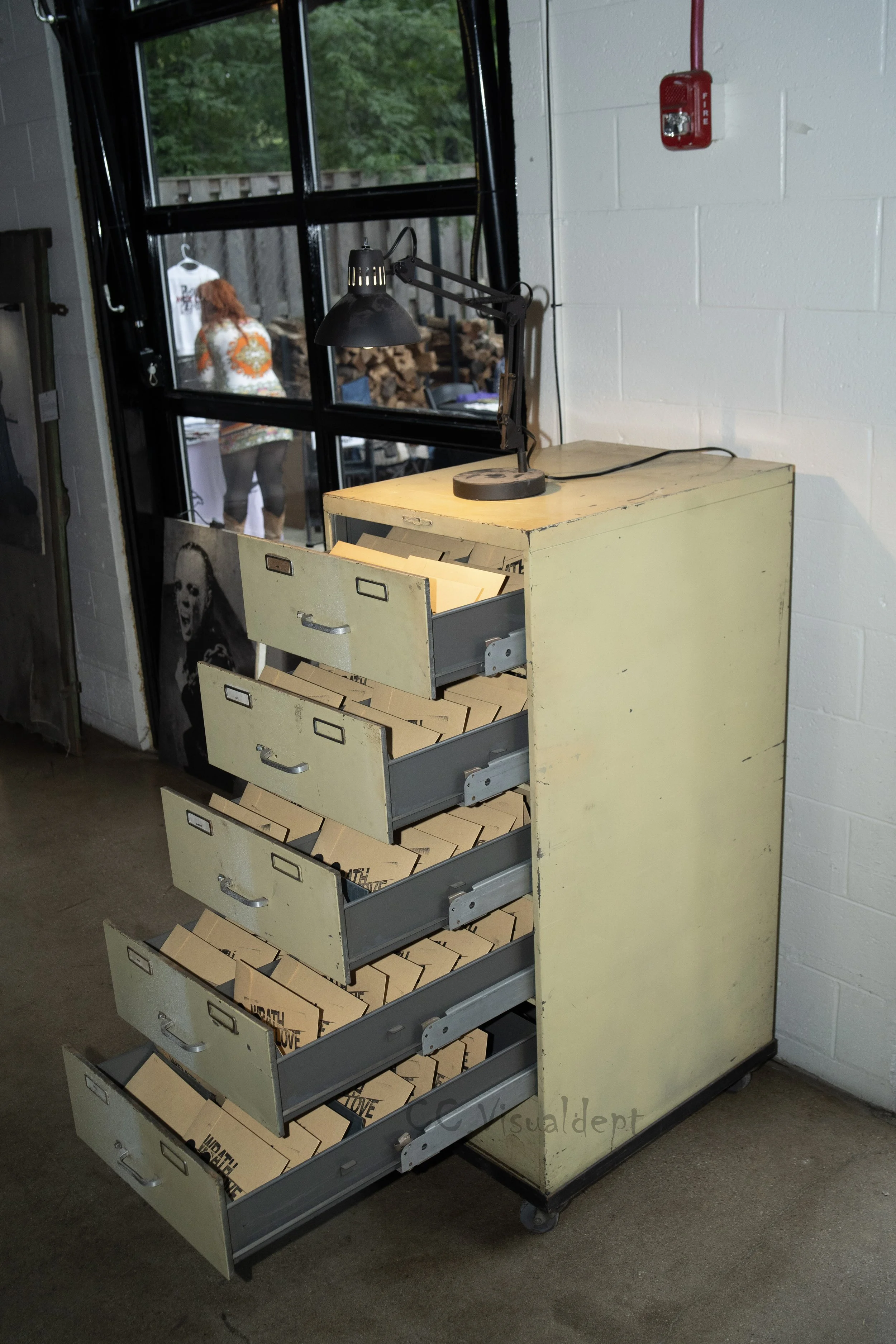
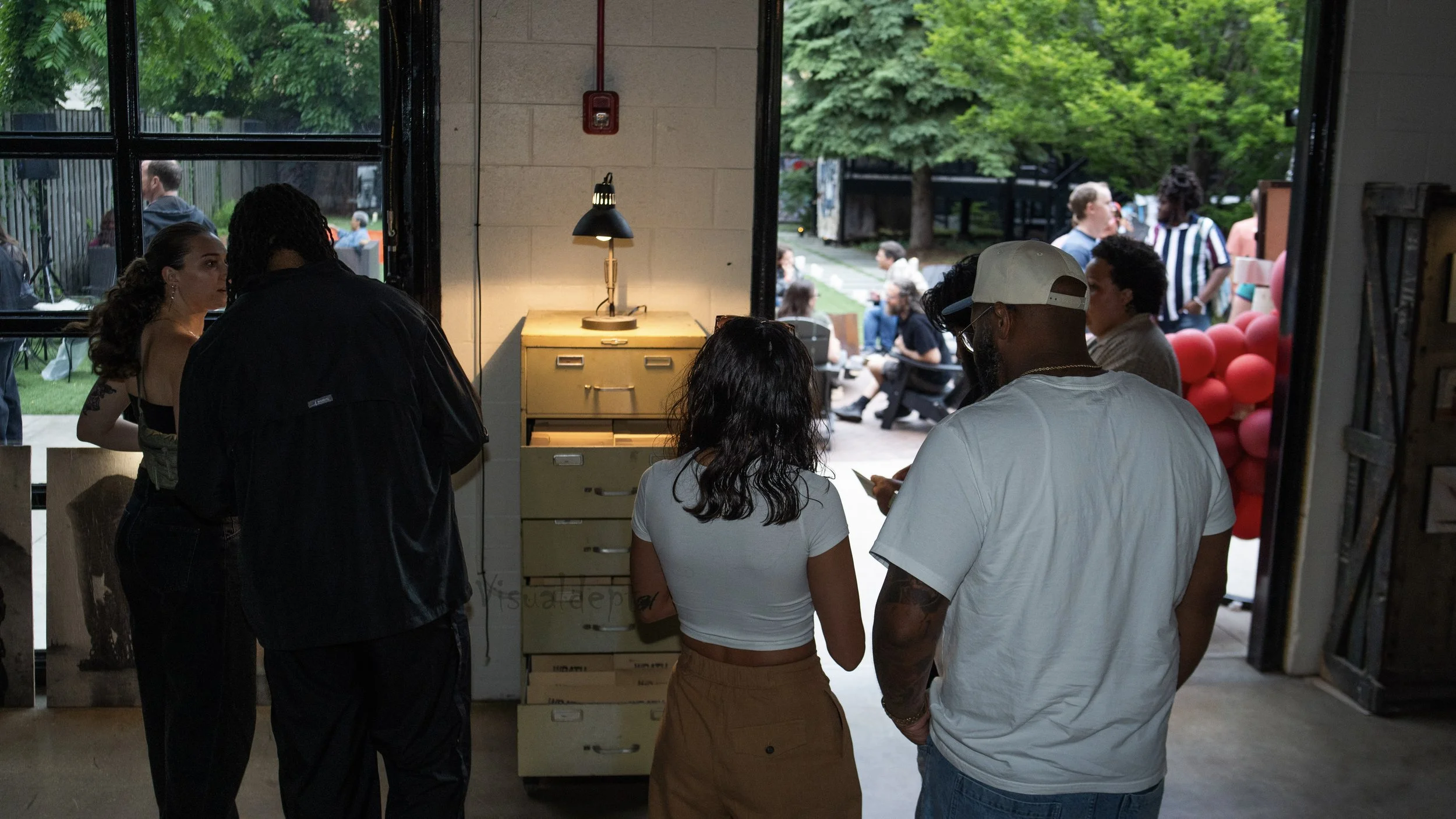
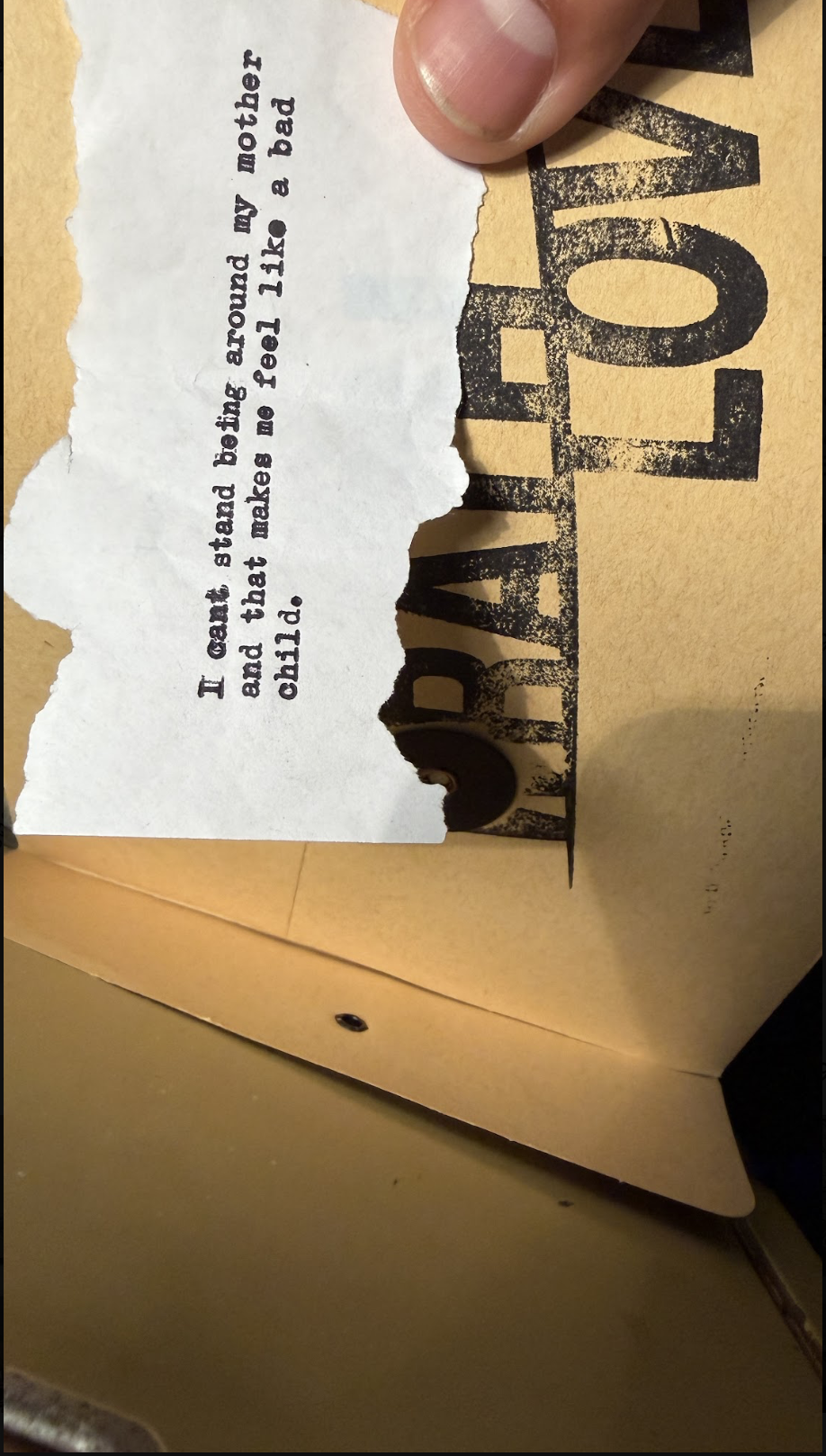
The archive cabinet gave physical form to more than a year of collecting anonymous confessions. Visitors were invited to open drawers, untie folders, and read individual confessions before carefully returning them to the archive. Rather than scrolling through stories on a screen, I wanted each confession to feel like an artifact entrusted to the reader's care.
Design Goal: Transform reading into a deliberate ritual.
The Archive Cabinet
Chain-Link Gallery
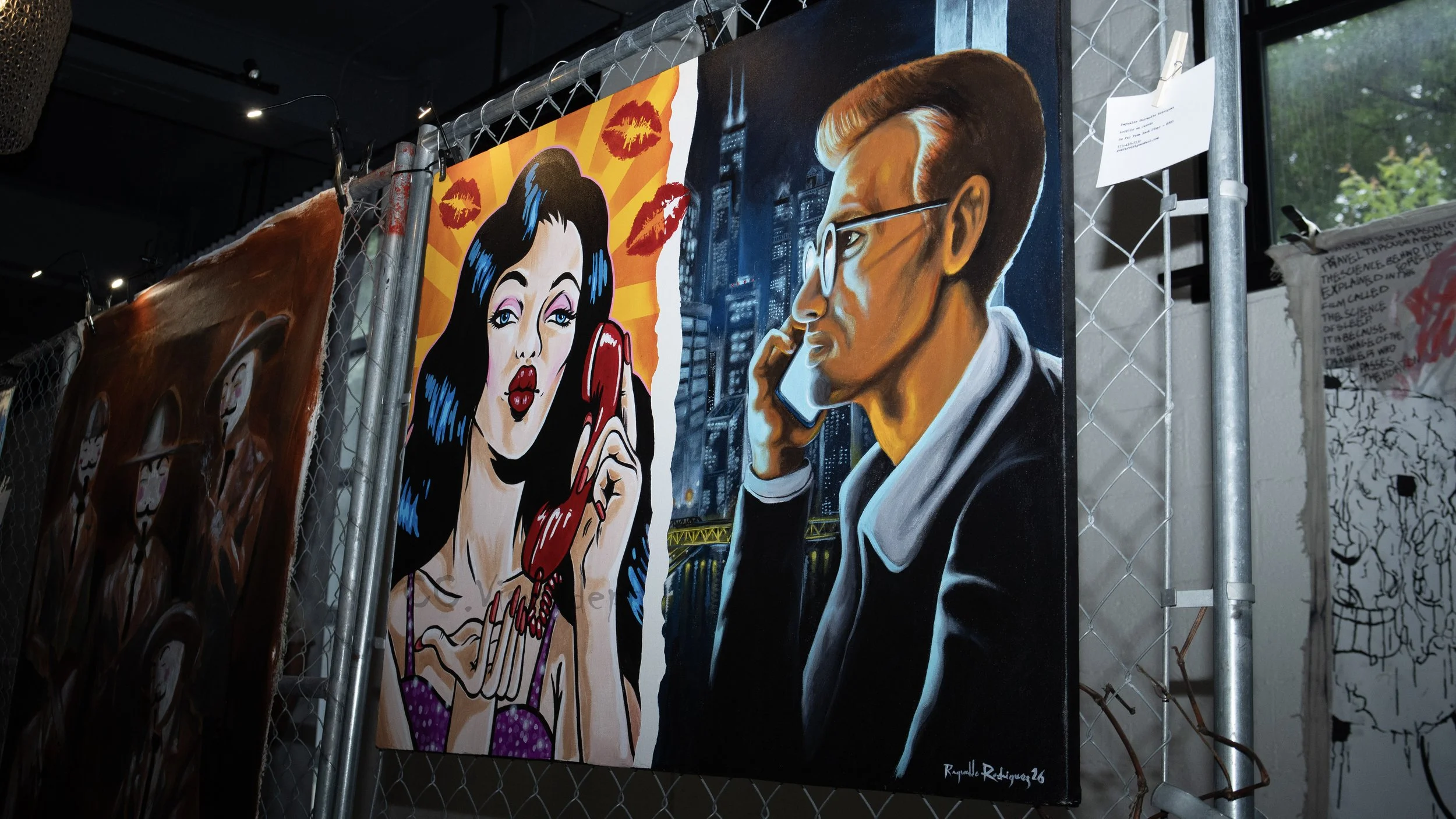
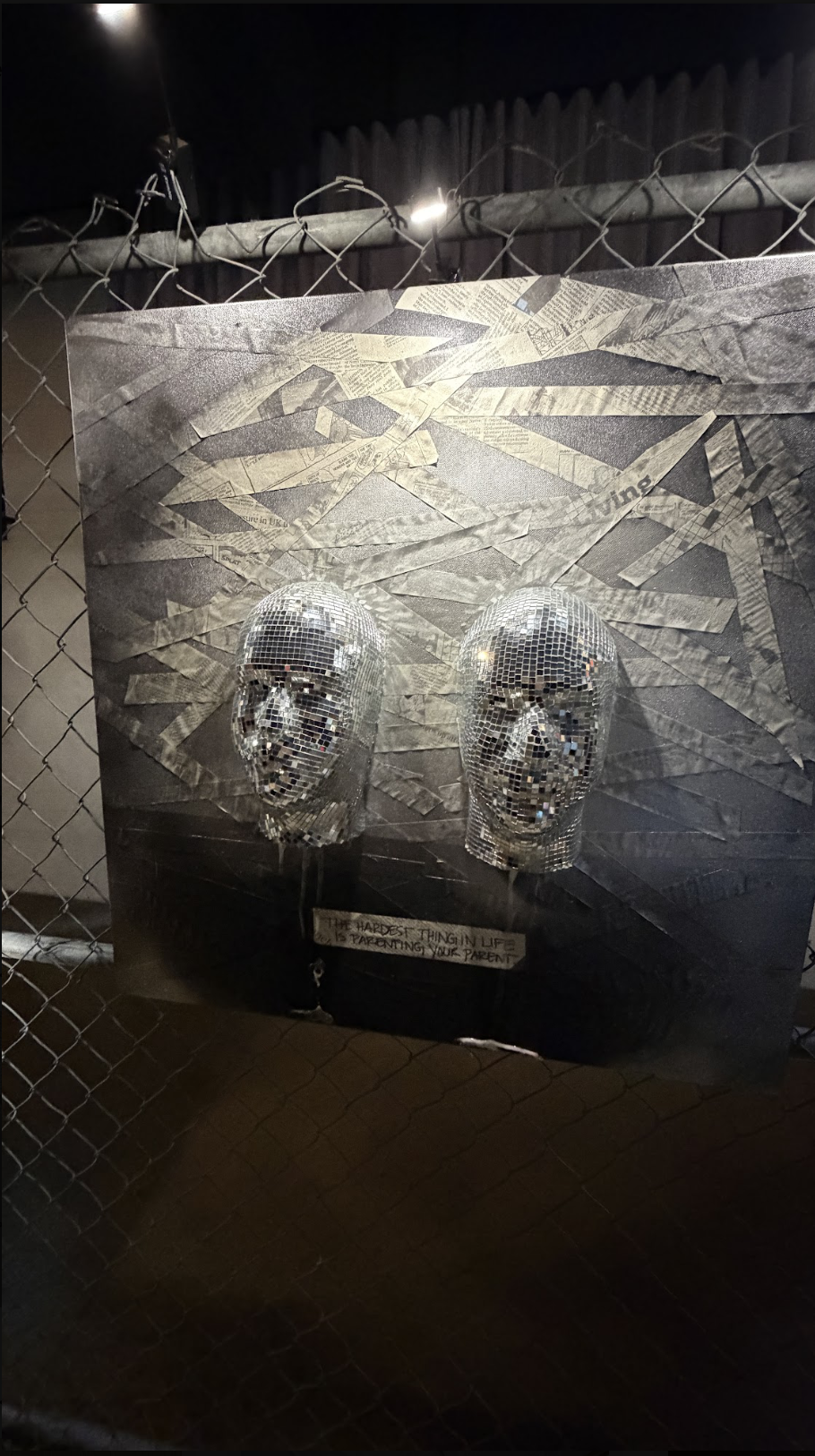
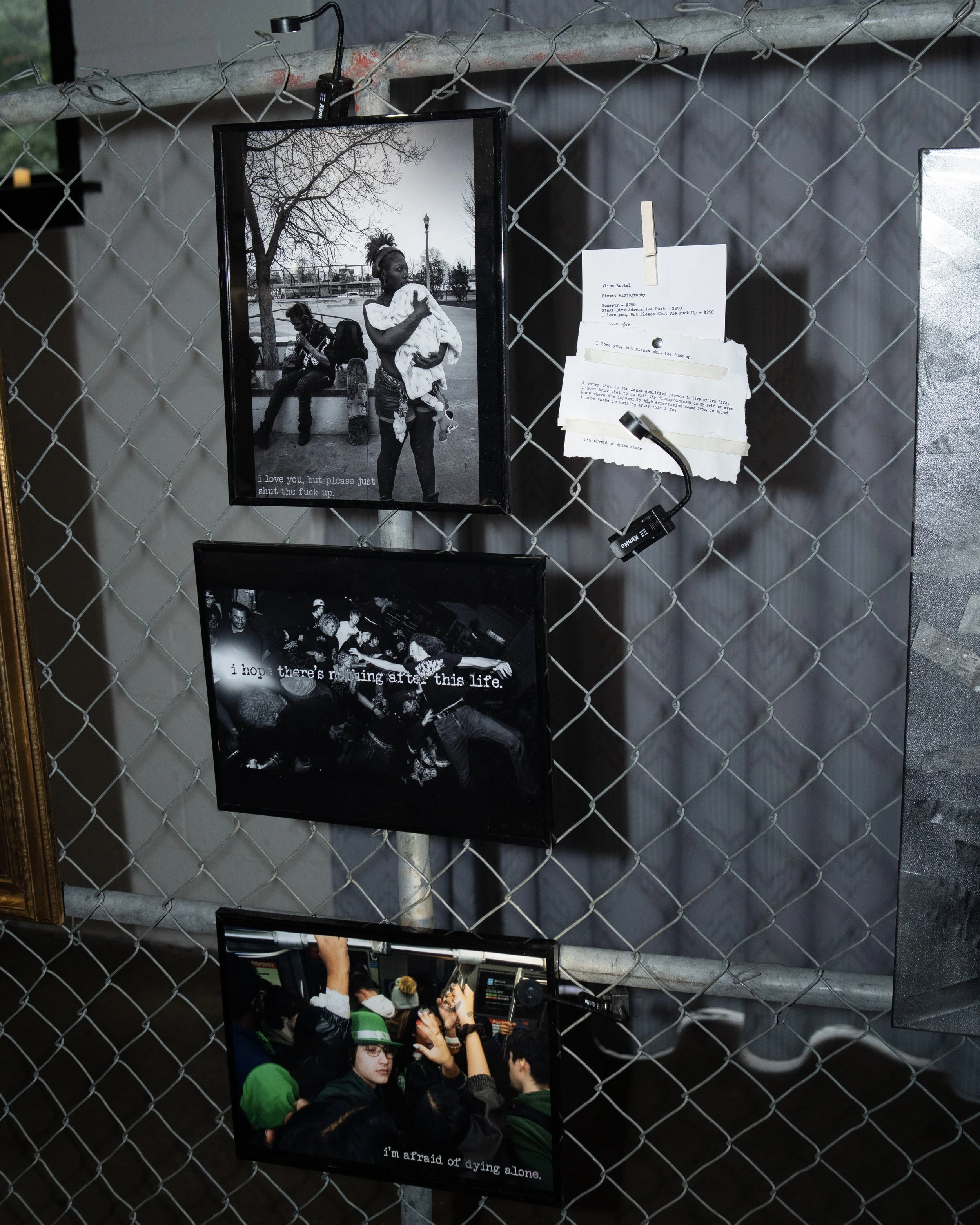
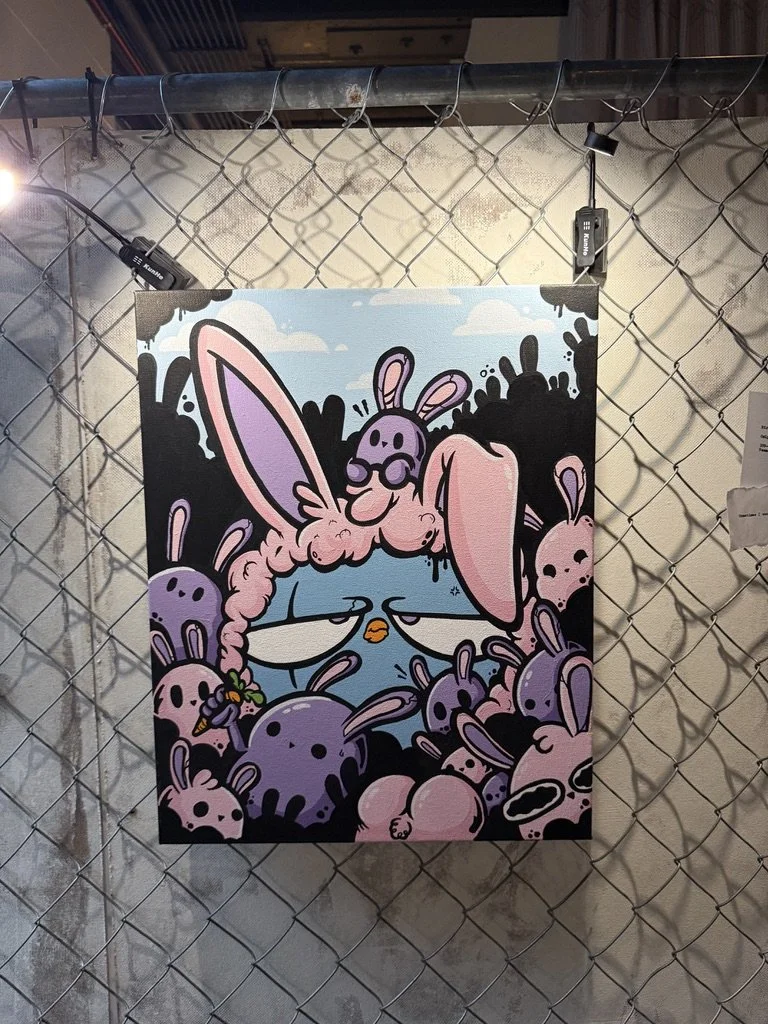
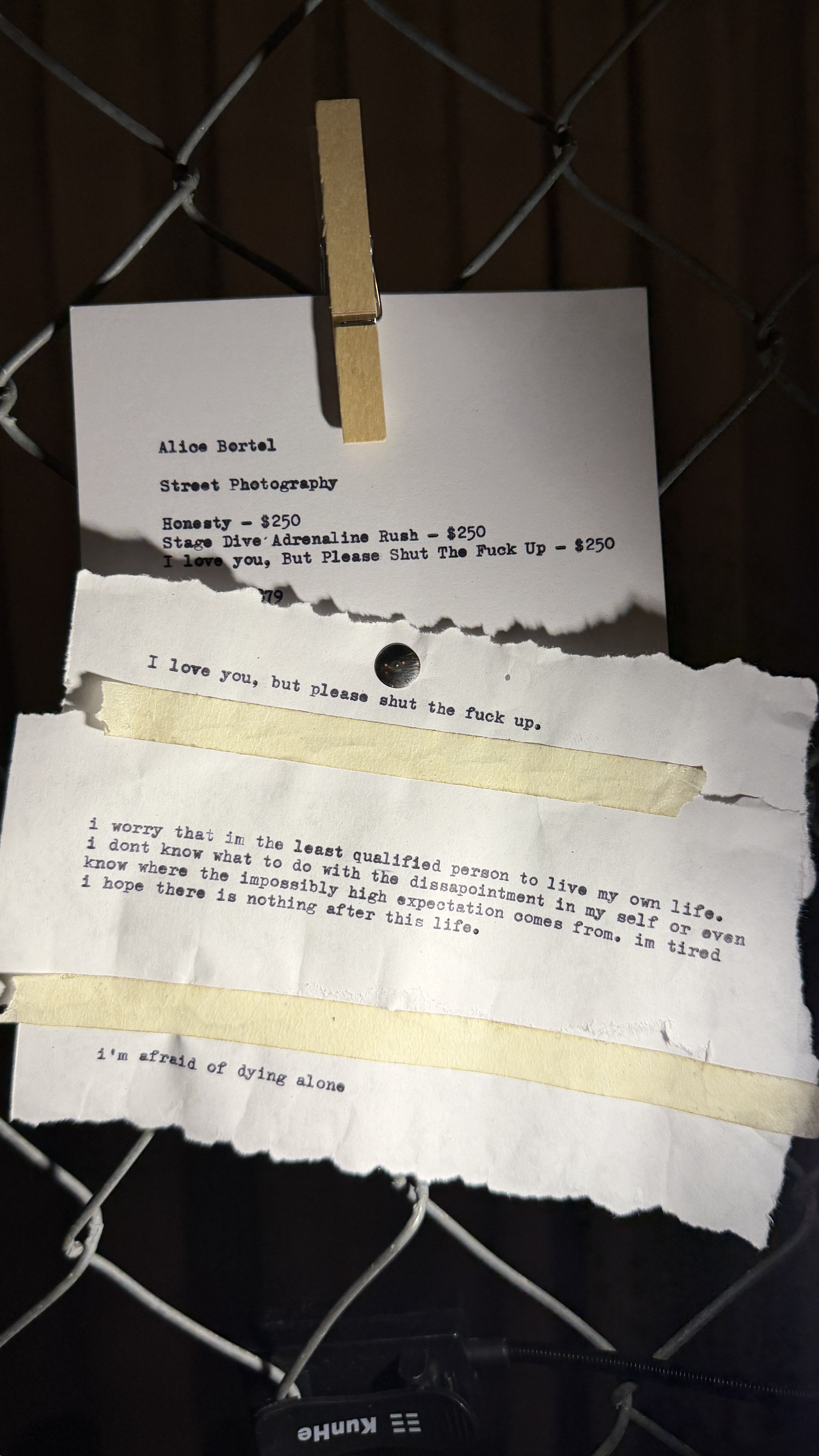
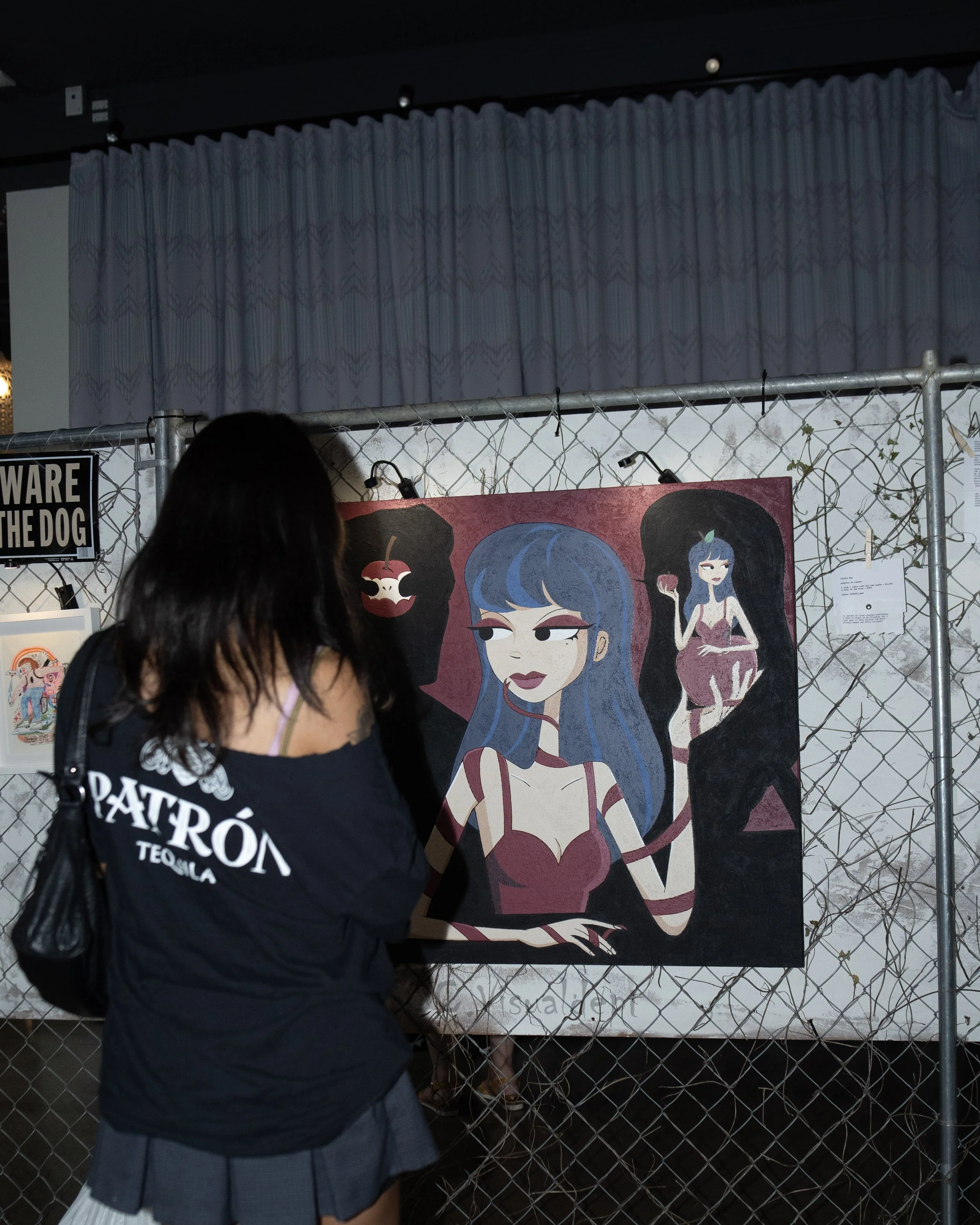
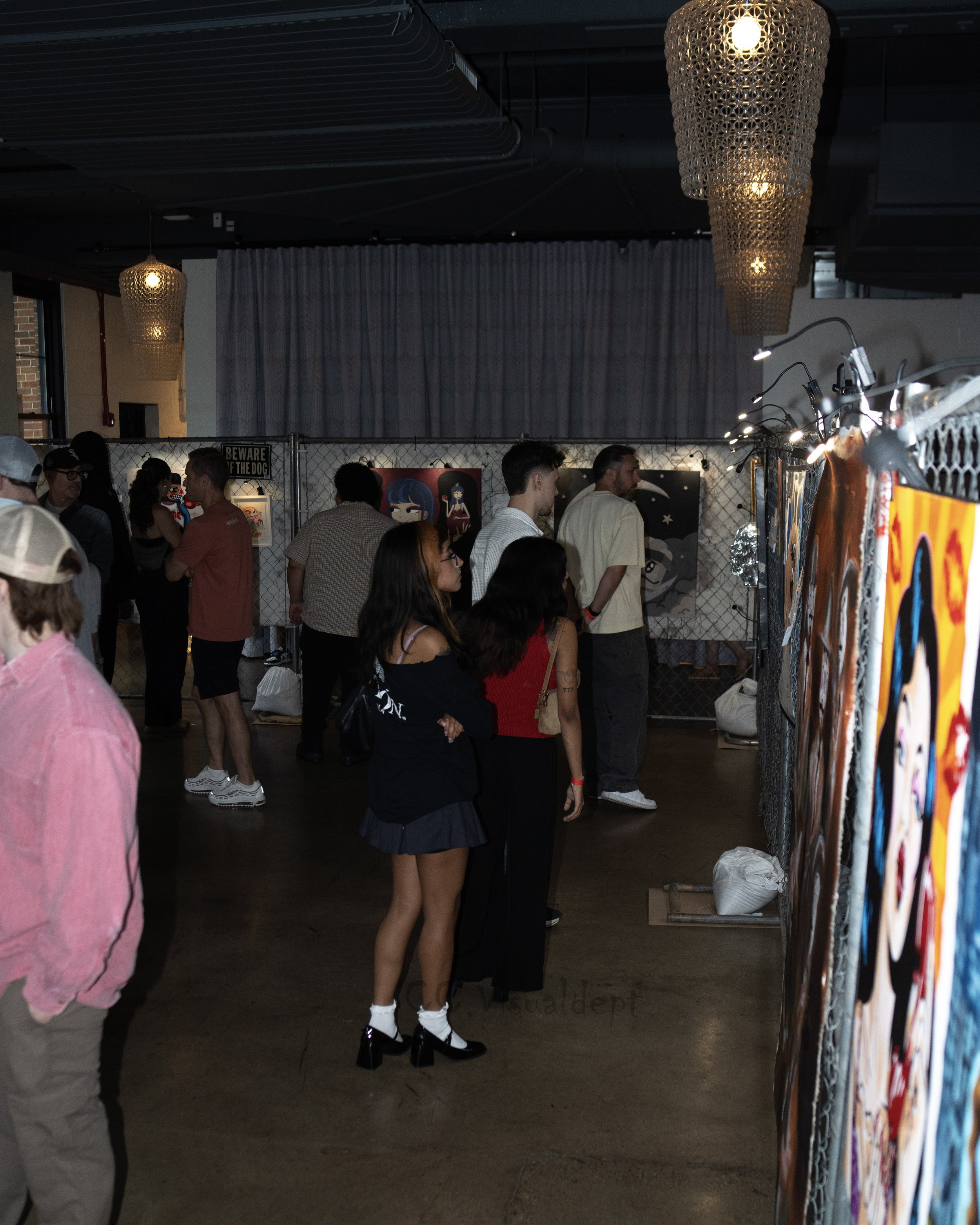
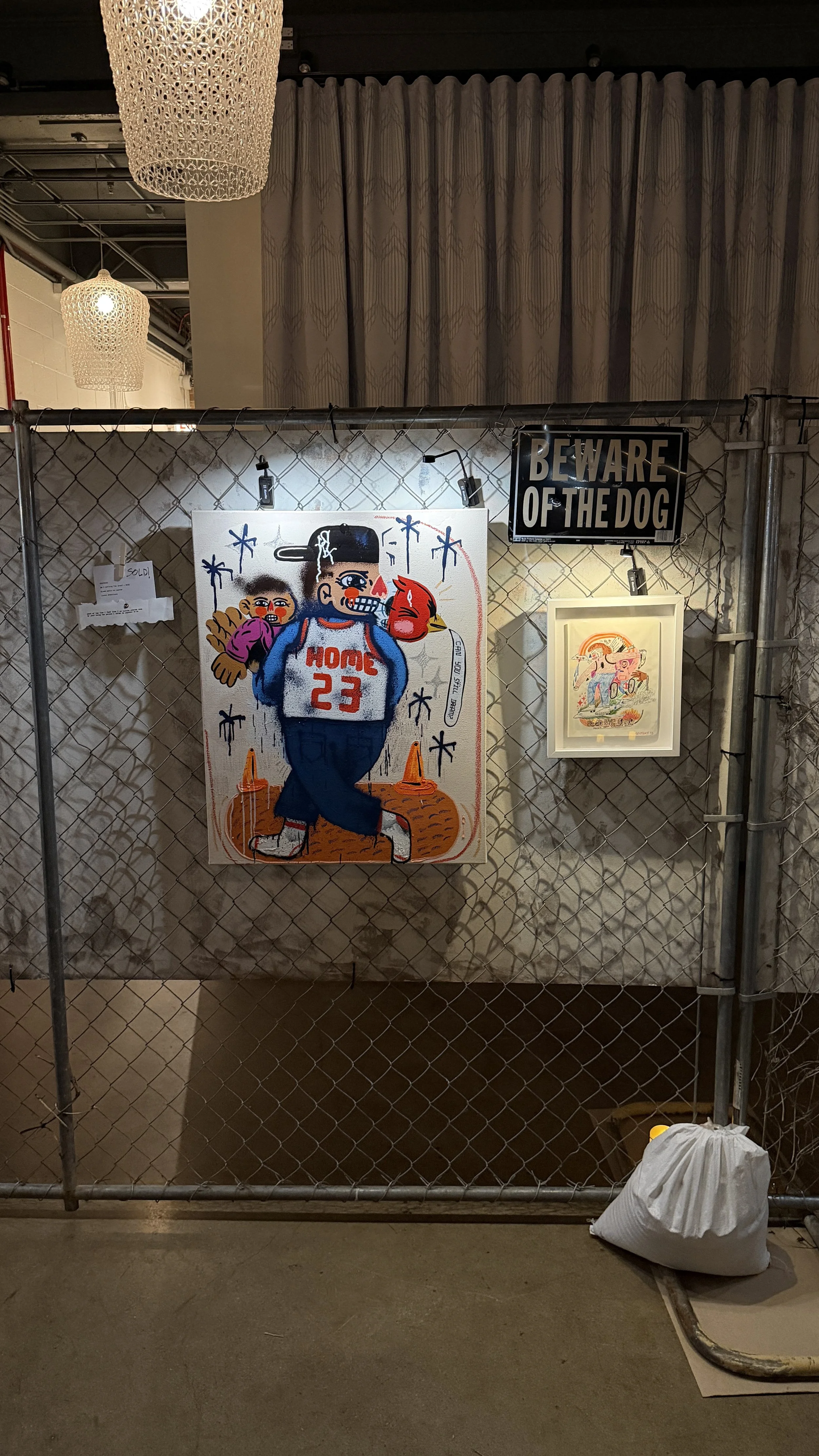
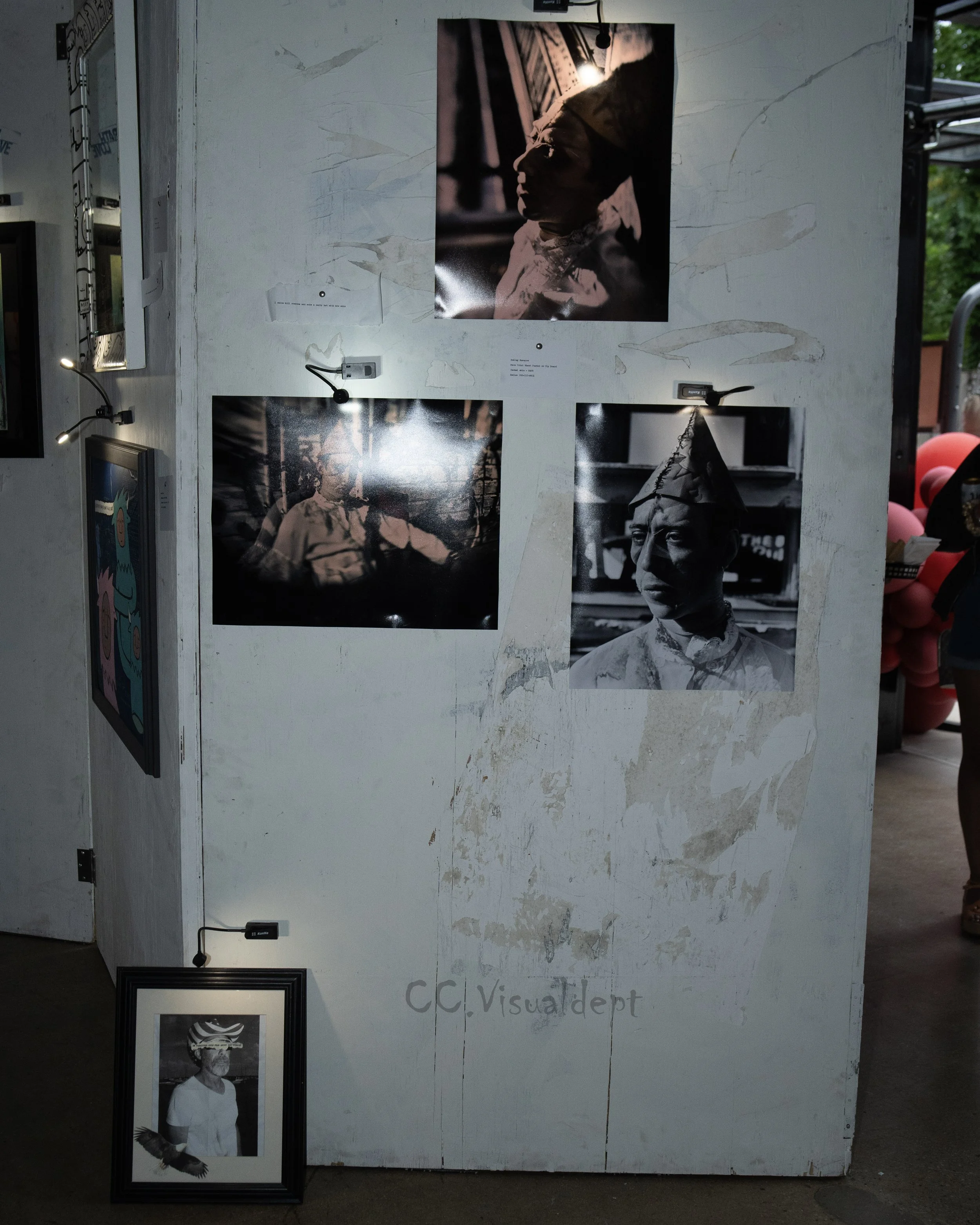
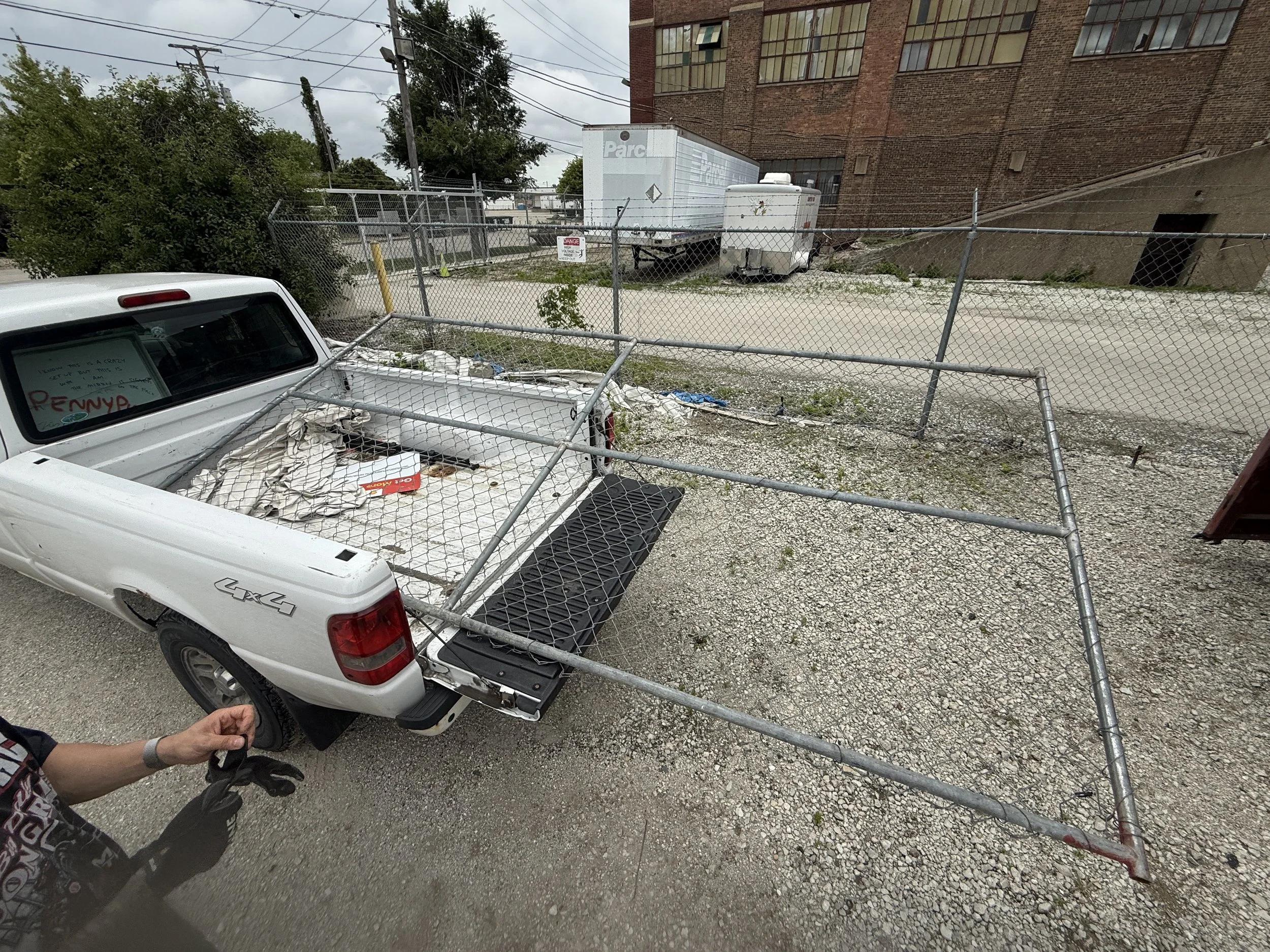
The venue prohibited hanging artwork directly on its walls. Instead of treating that as a limitation, I turned it into one of the defining visual elements of the exhibition. Industrial chain-link fencing became a freestanding gallery system that echoed the raw, urban character of the project while solving a practical problem. The installation nearly didn't happen. The day before the exhibition I discovered the fence supplier had not built the support legs needed to keep the structures standing. With almost no time remaining, we drove throughout Chicago searching for abandoned construction fence stands left behind on job sites.
Those salvaged pieces ultimately became what allowed the installation to exist.
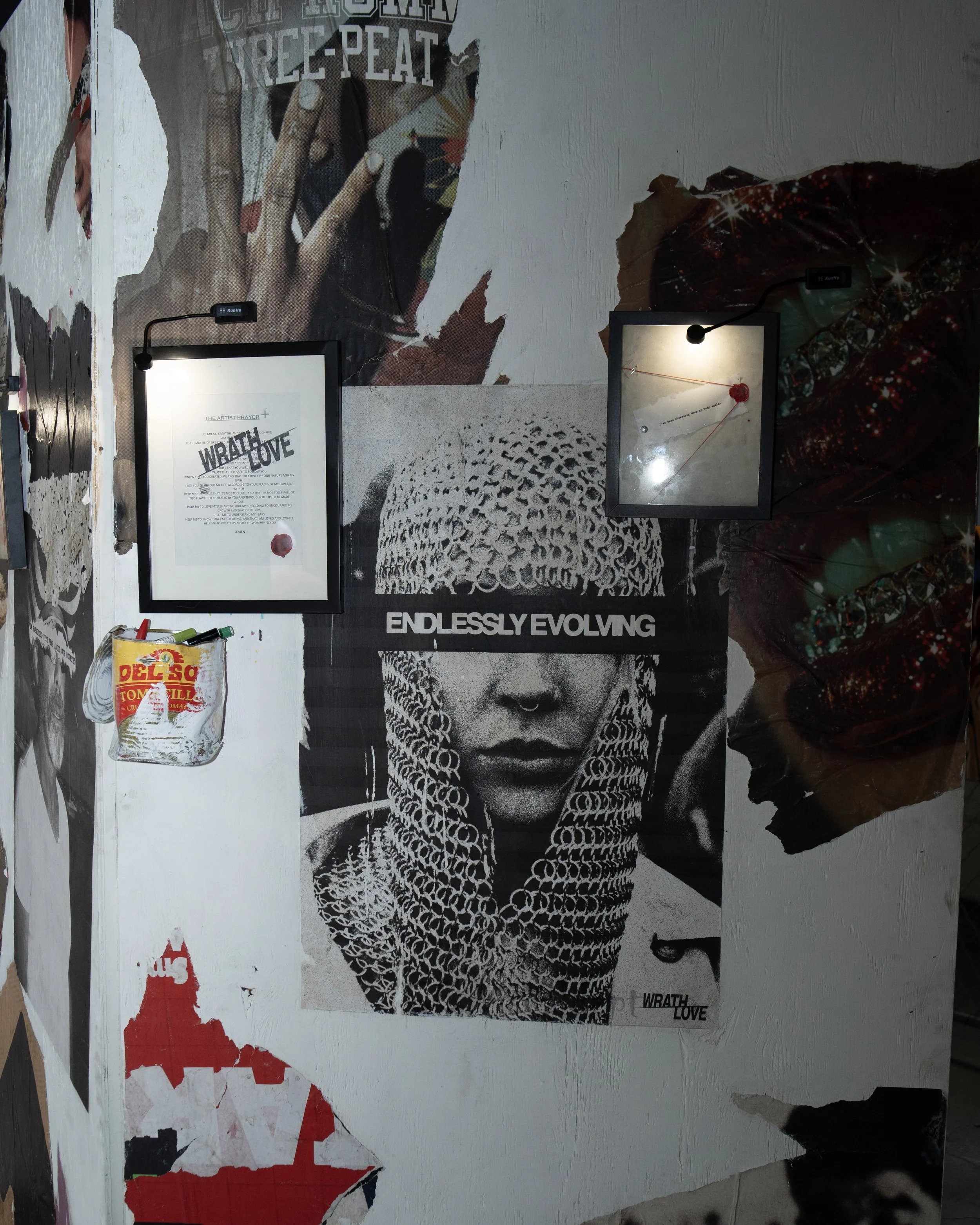
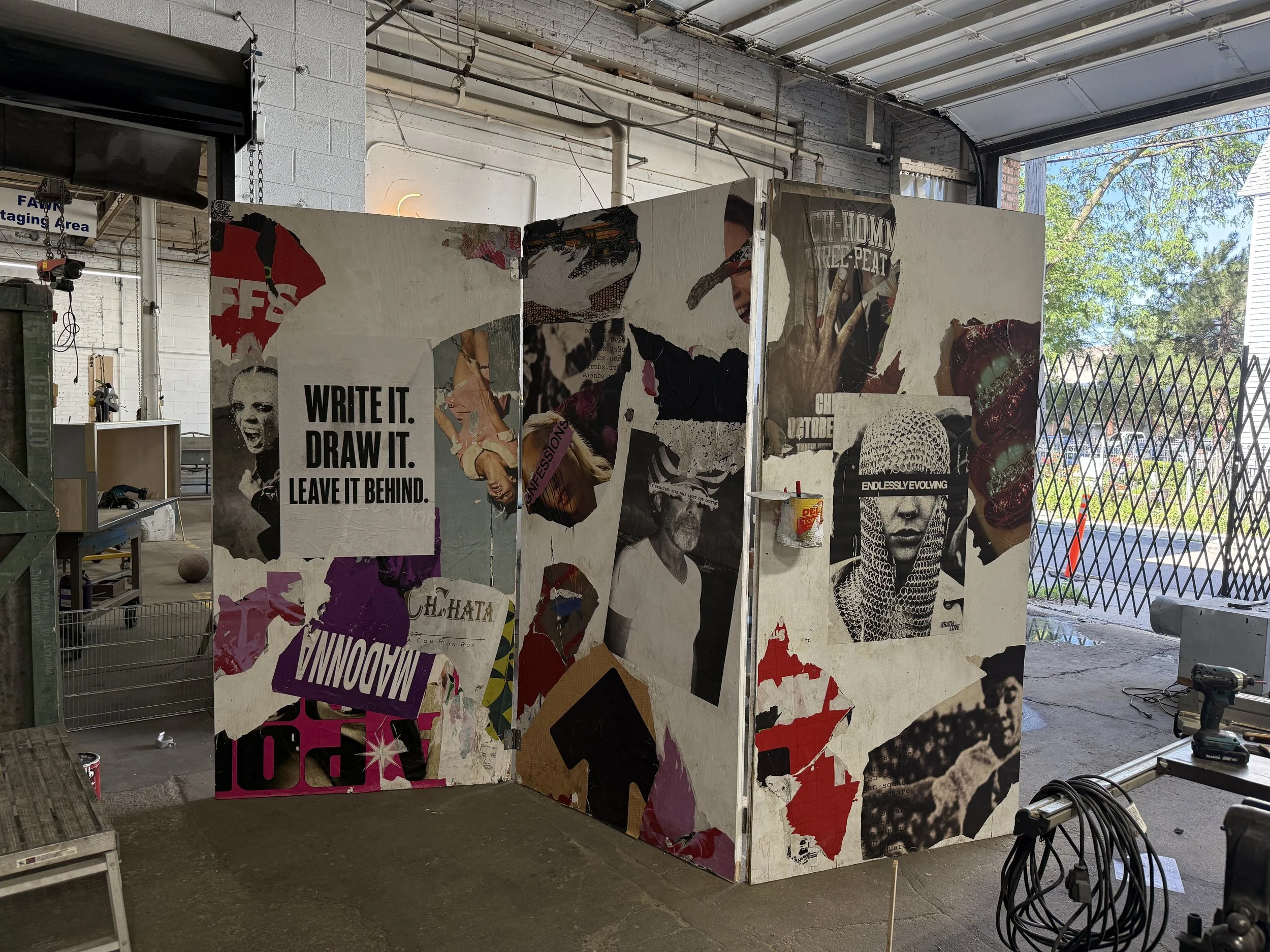
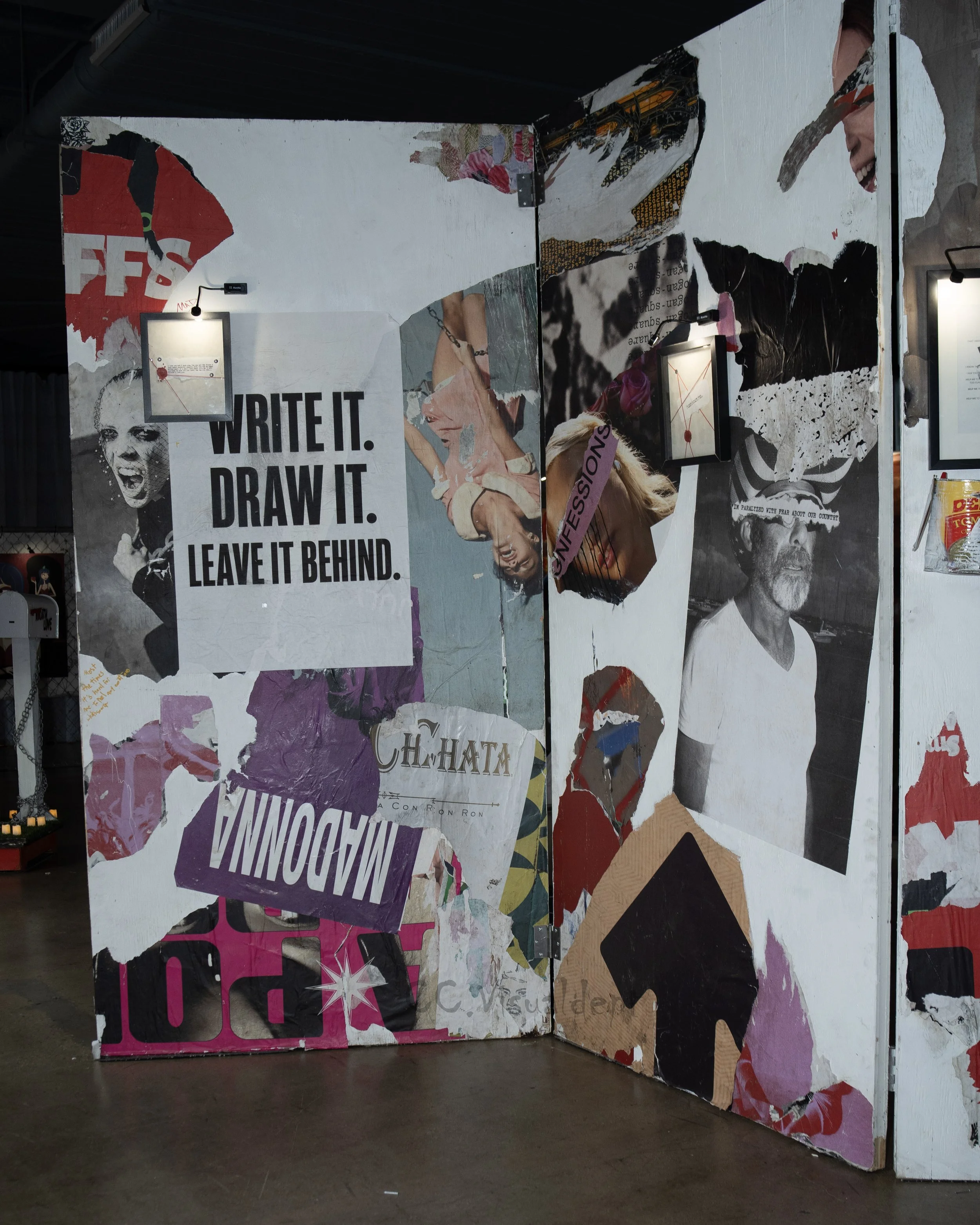
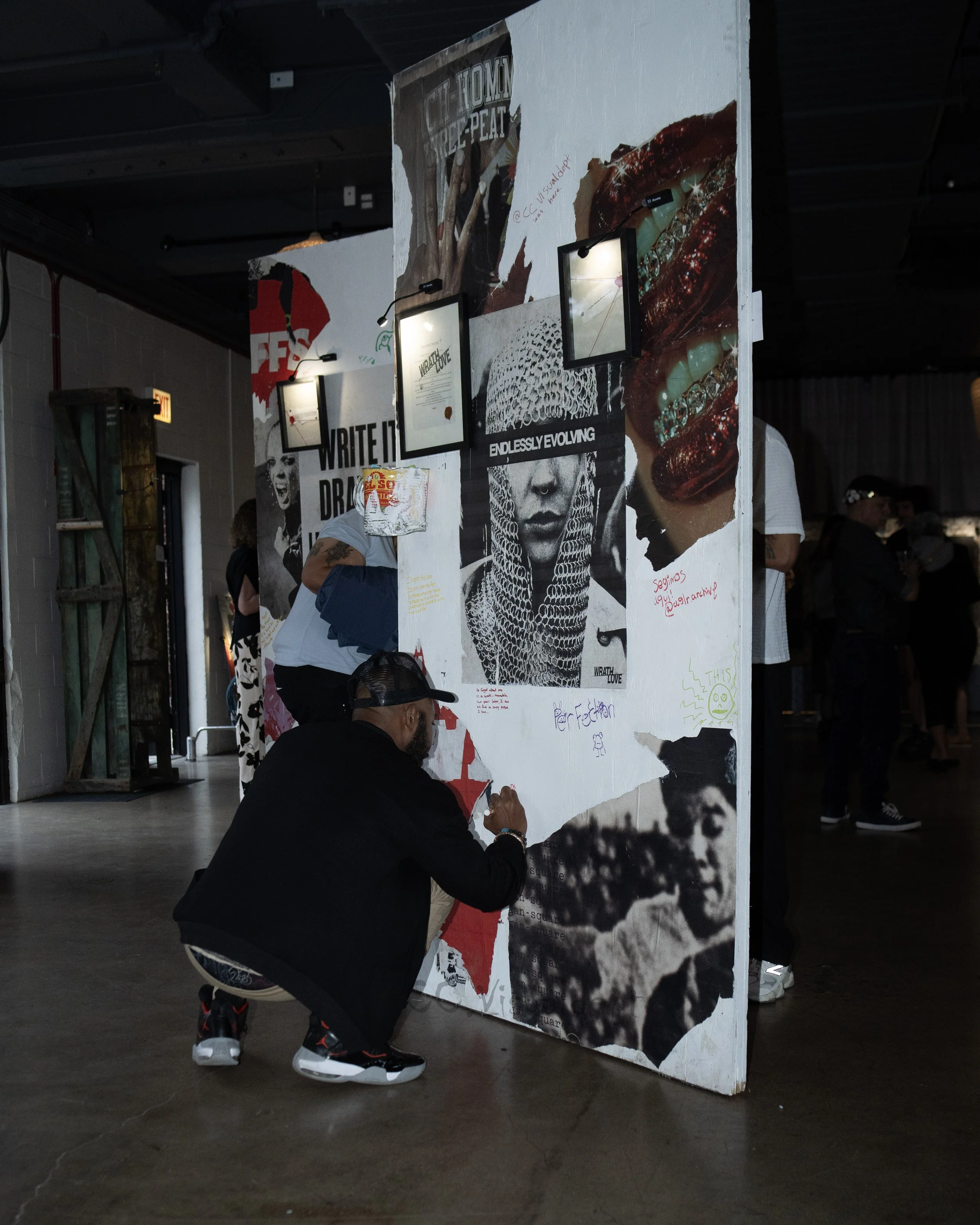
Graffiti Wall
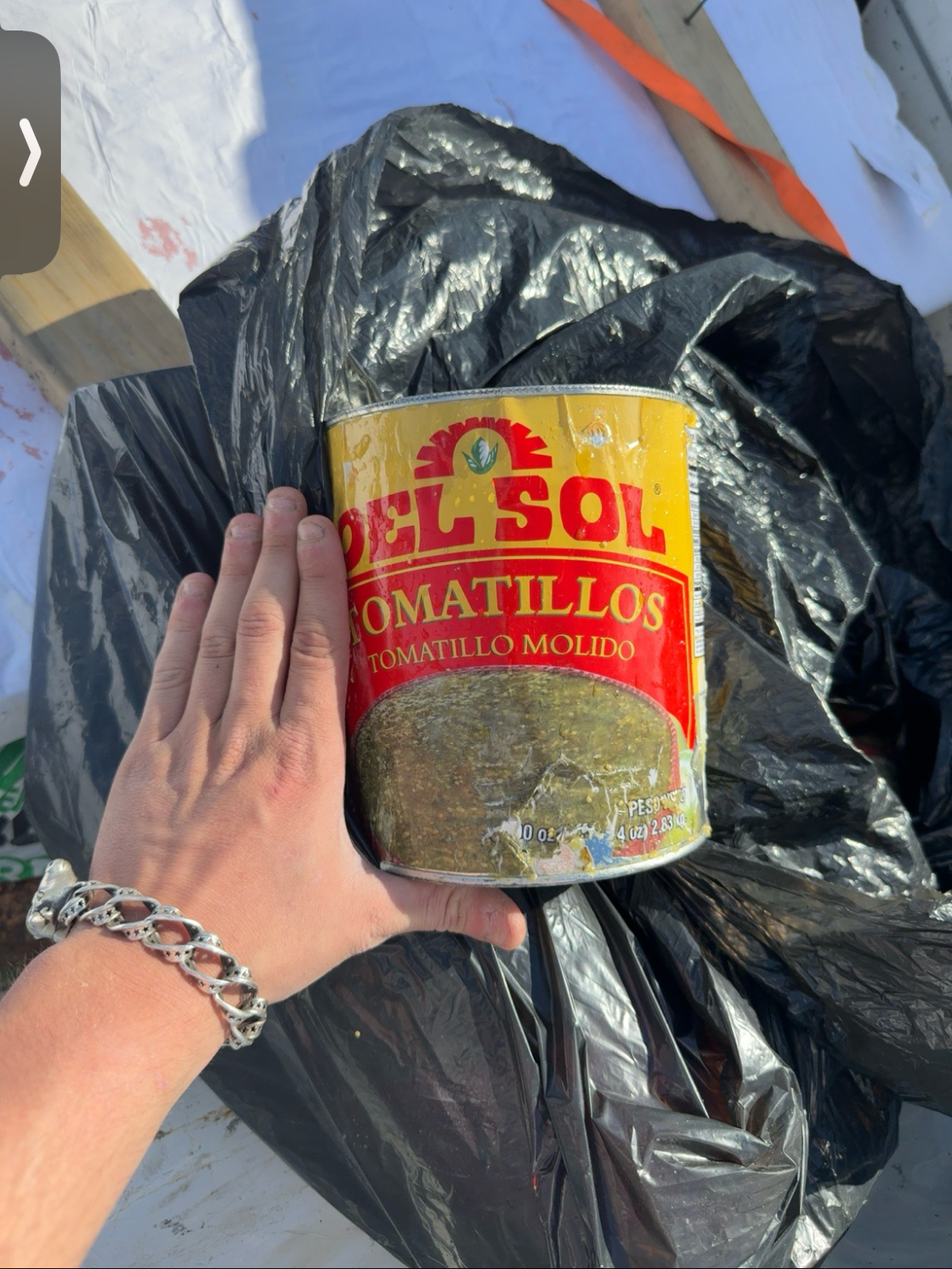
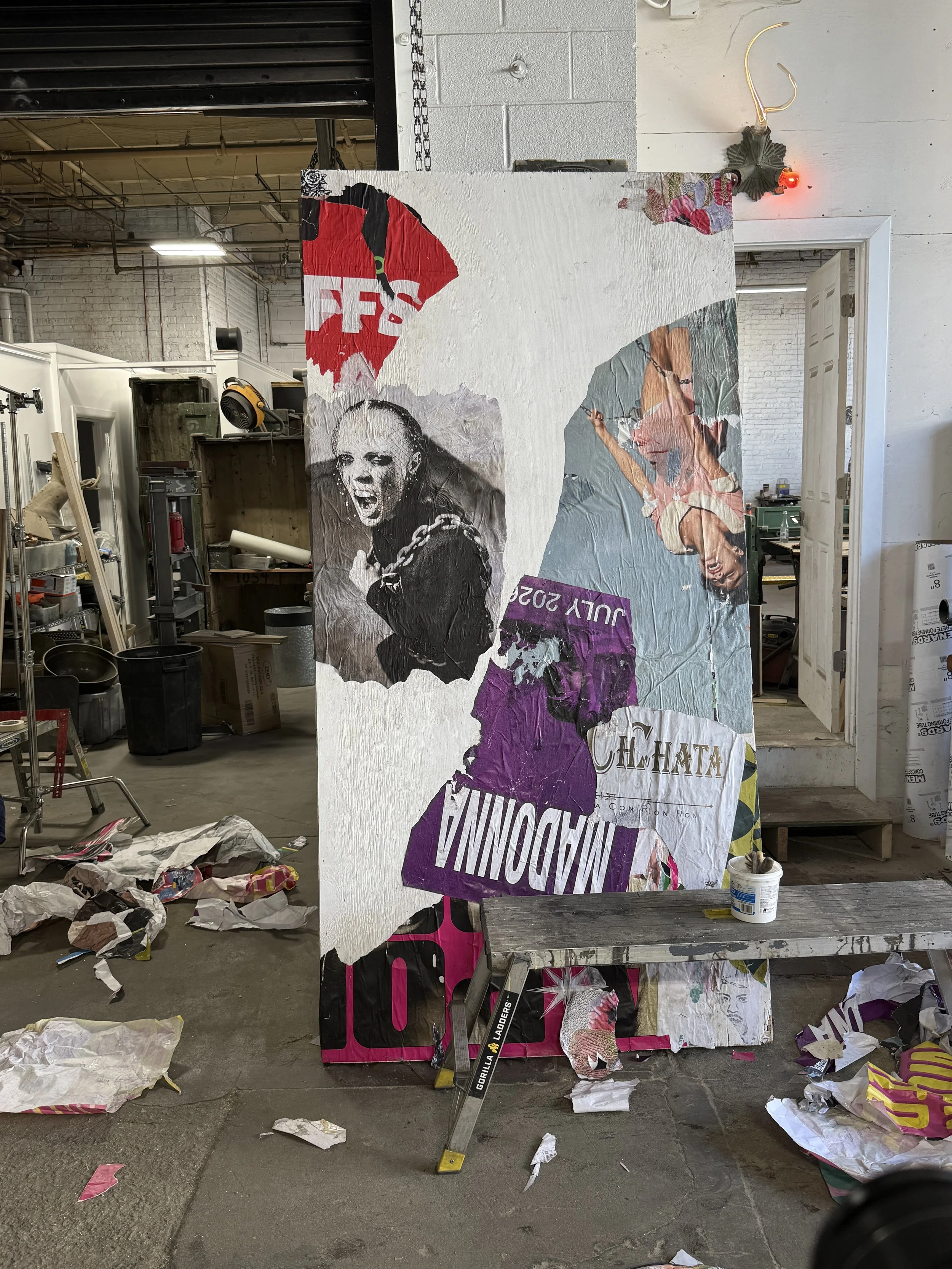
The graffiti wall served two completely different purposes. One side displayed artwork. The reverse invited visitors to leave their own marks throughout the night. To reinforce the feeling of Chicago's streets, I collected discarded advertisements from around the city and collaged them across the surface before layering graffiti over the top. Even the smallest details reflected the project's resourcefulness. Running low on money, I stopped at a neighborhood Mexican restaurant and asked if they had any empty cans headed for the trash. They handed me an industrial salsa can, which became the marker holder mounted directly onto the installation.
It wasn't part of the original design. It became one of my favorite details.
Confession Booth
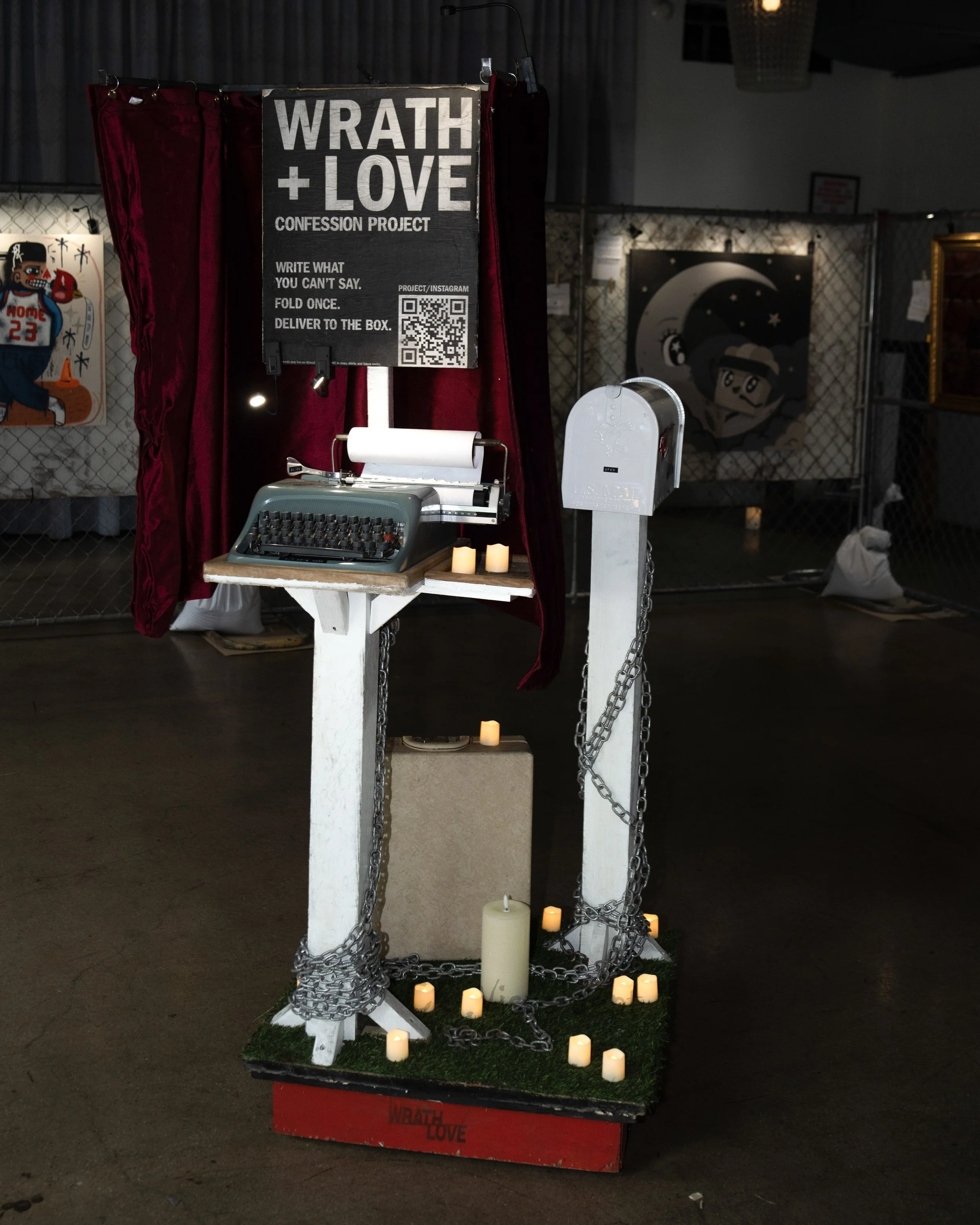
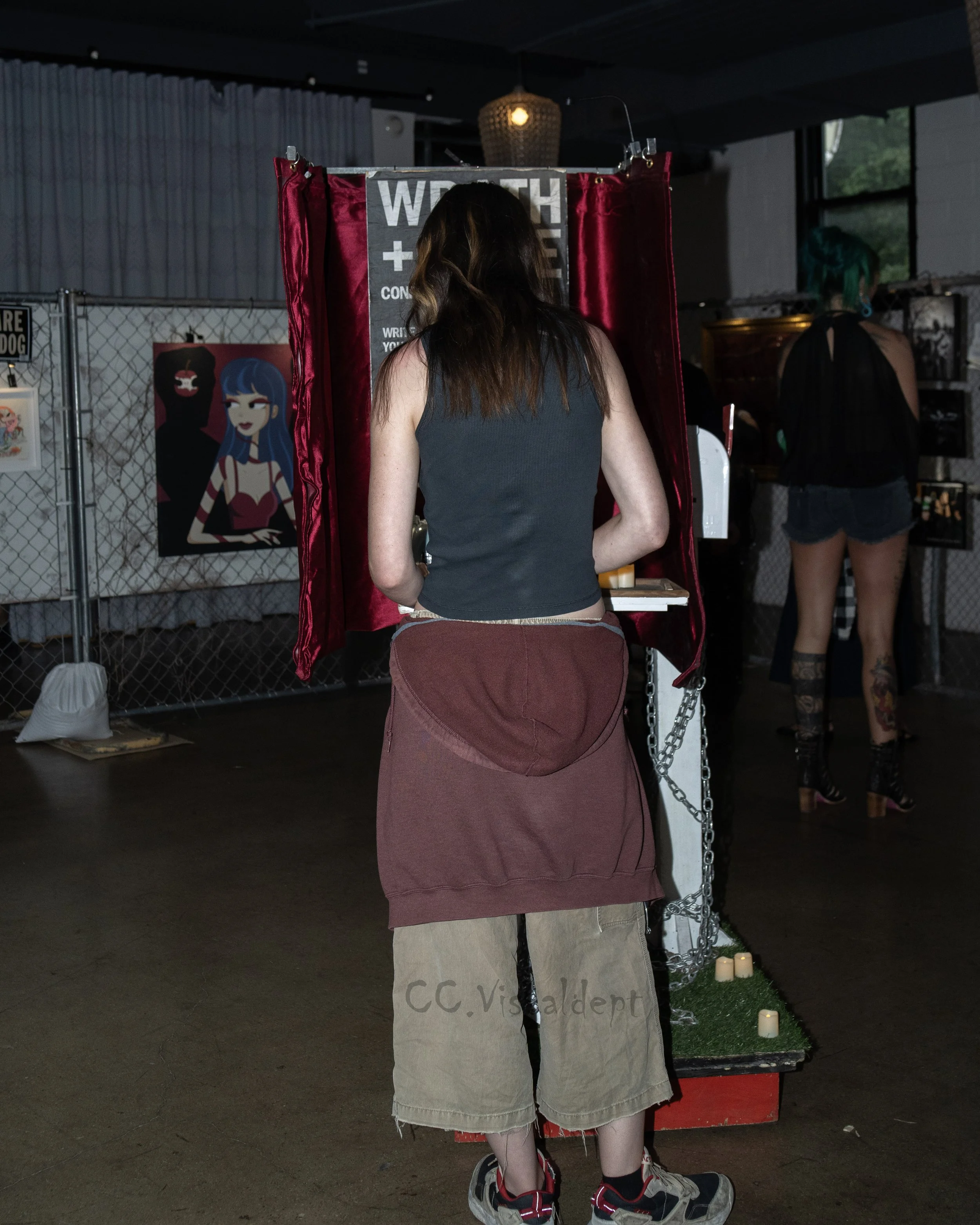
The exhibition featured a new version of the confession booth where visitors could continue contributing to the archive. To encourage privacy, I built a velvet curtain using a shower curtain discovered at Goodwill. The structure itself was assembled from reclaimed 2x4s, a shipping pallet, a mailbox from Menards, and my grandmother's typewriter. The materials were humble. The experience was not. I wanted visitors to feel as though they had stepped into a private conversation inside a public room.
Envelope Installation
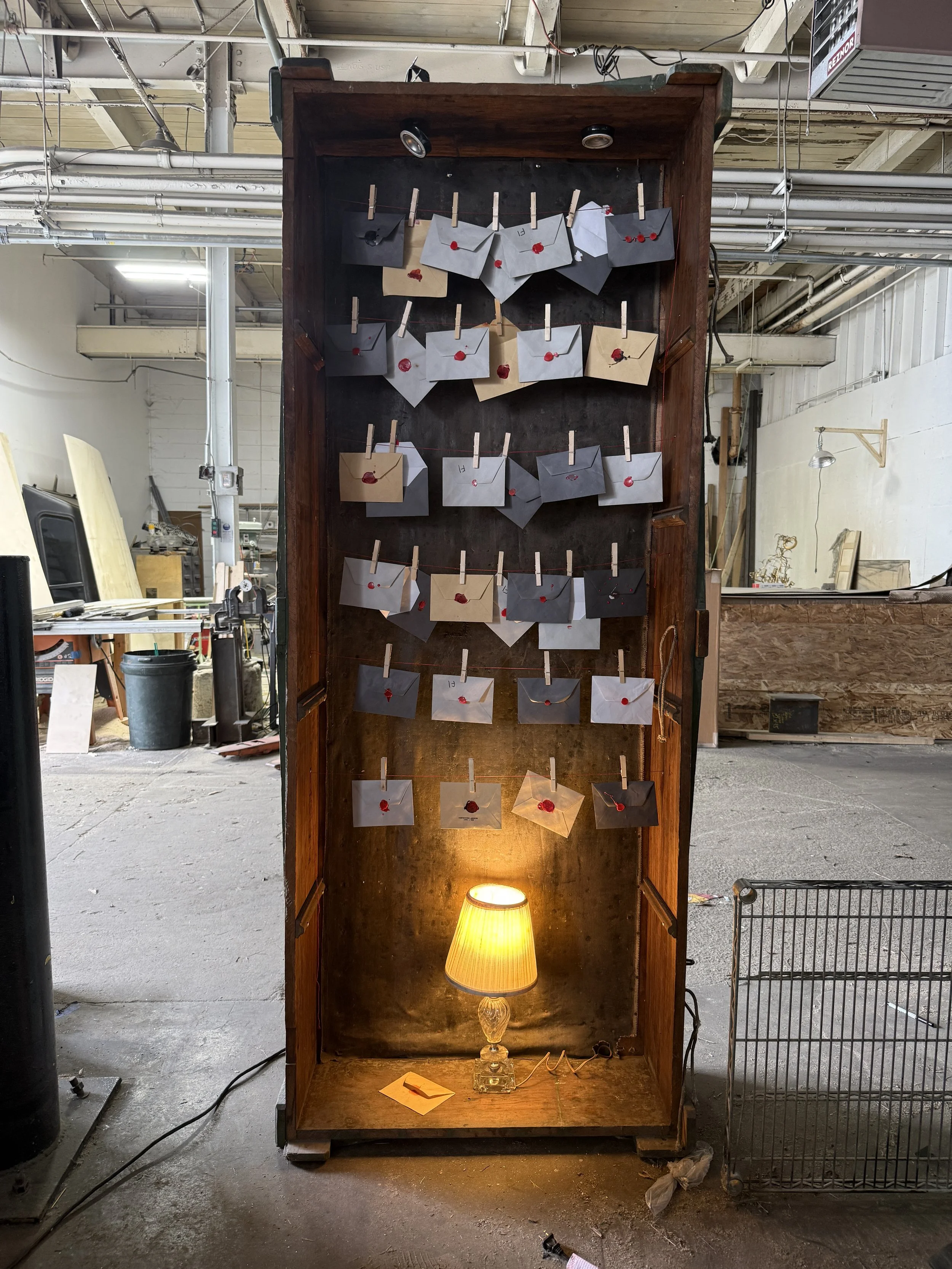
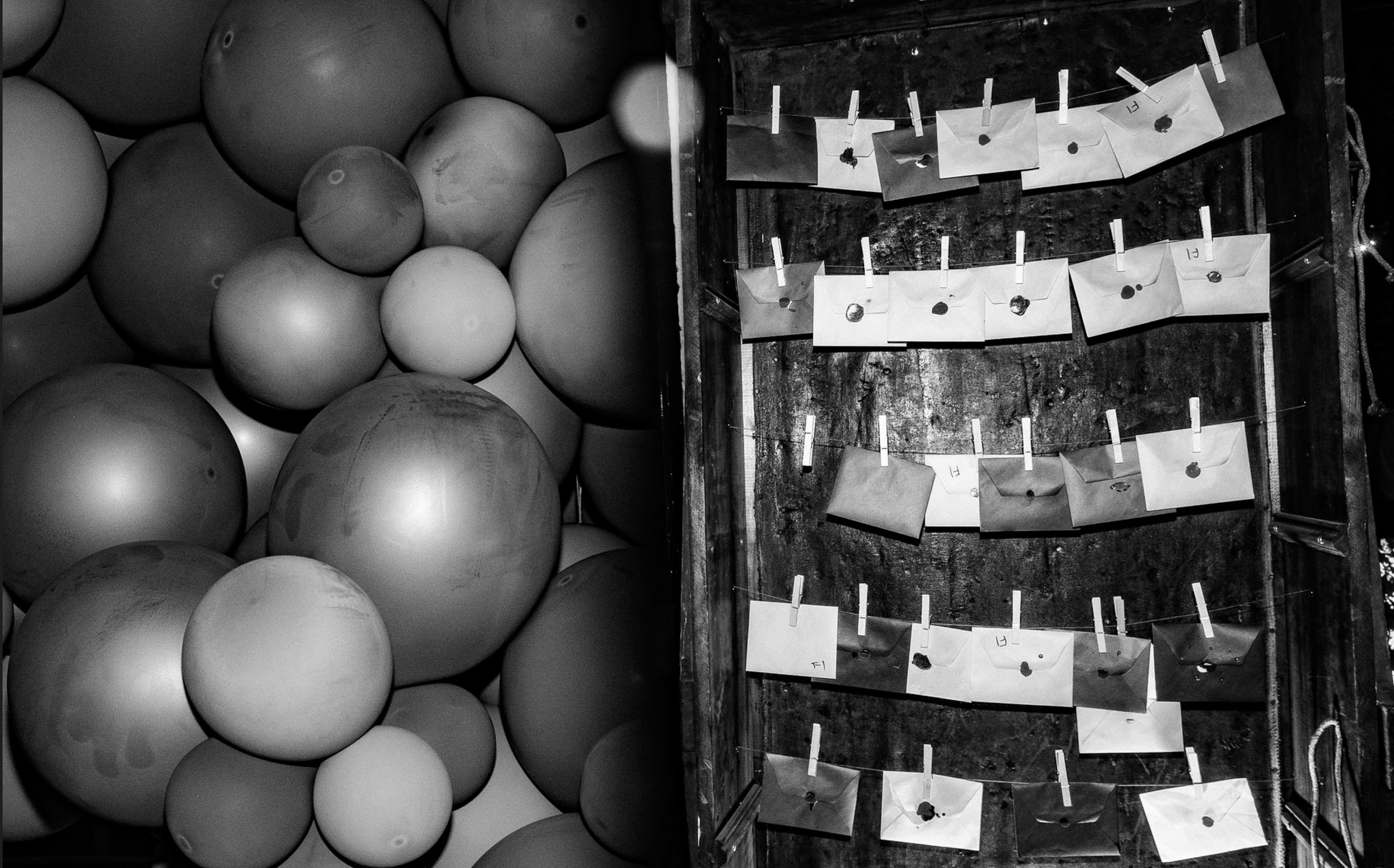
Where the archive cabinet represented confessions collected in person, the envelope installation celebrated submissions received online. Dozens of envelopes were suspended from red string inside vintage opera cases originally found in my father's workshop. The suspended envelopes transformed digital submissions into physical objects, emphasizing that every confession—regardless of where it originated—deserved the same level of care and permanence.
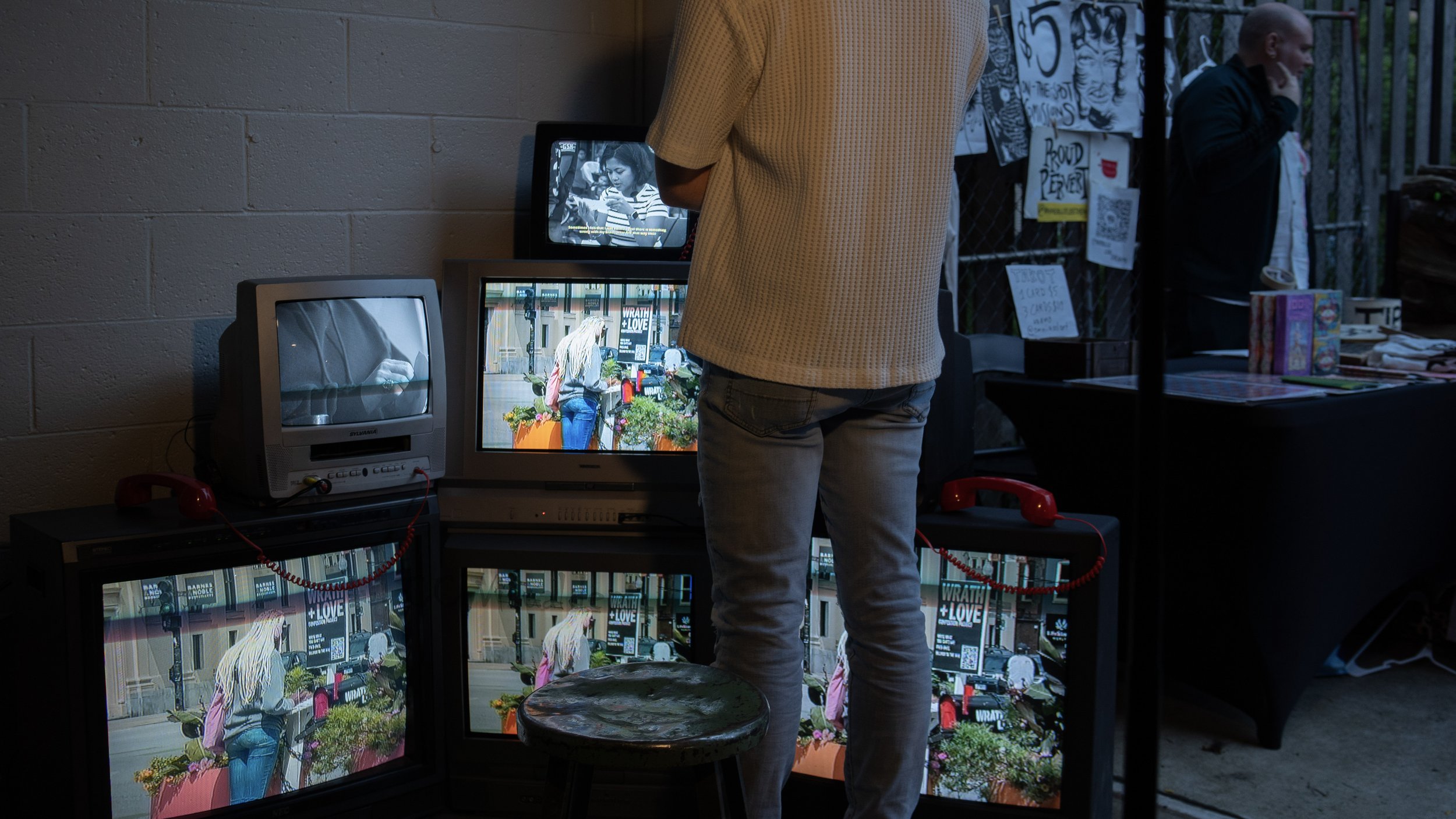
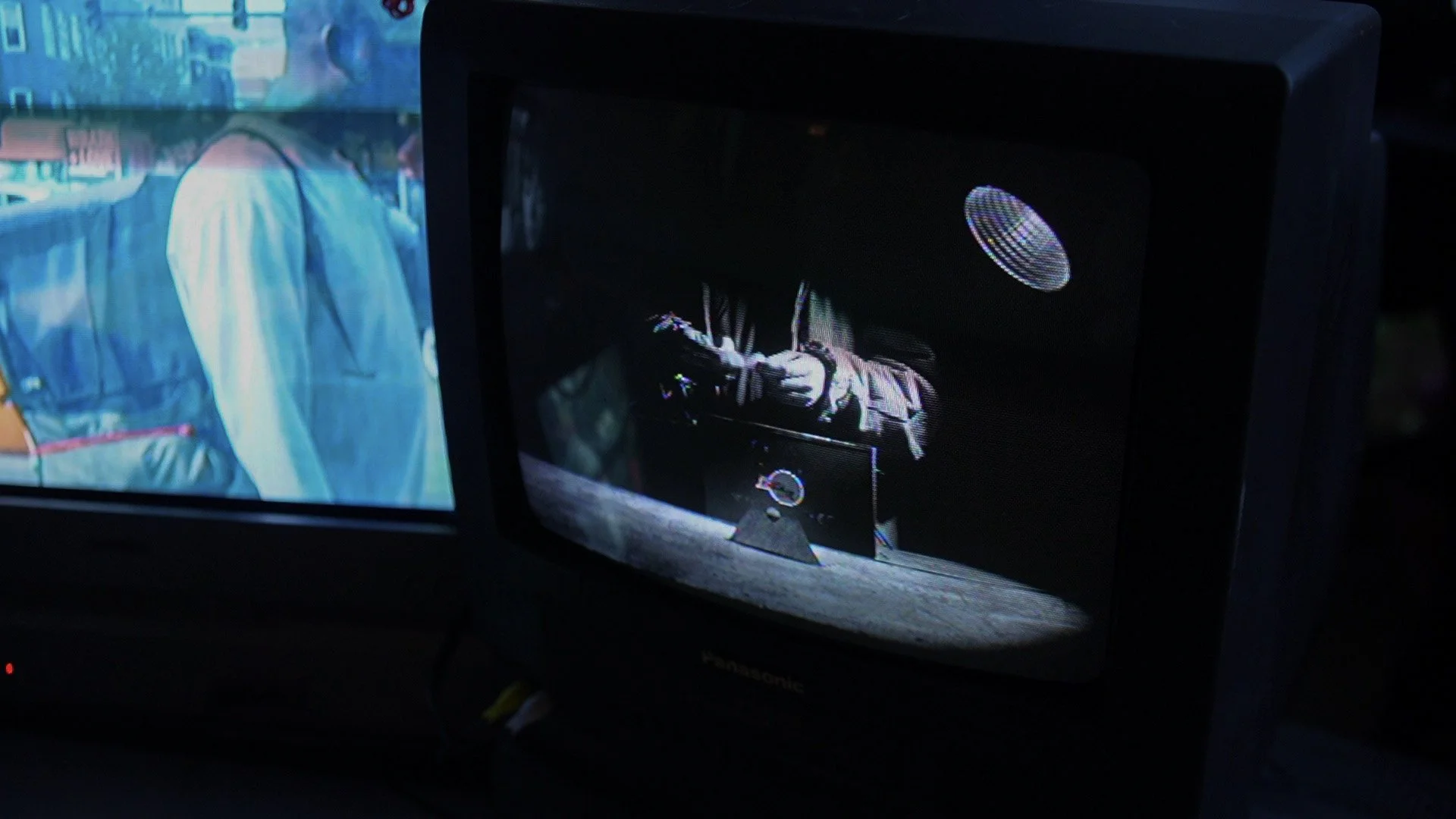
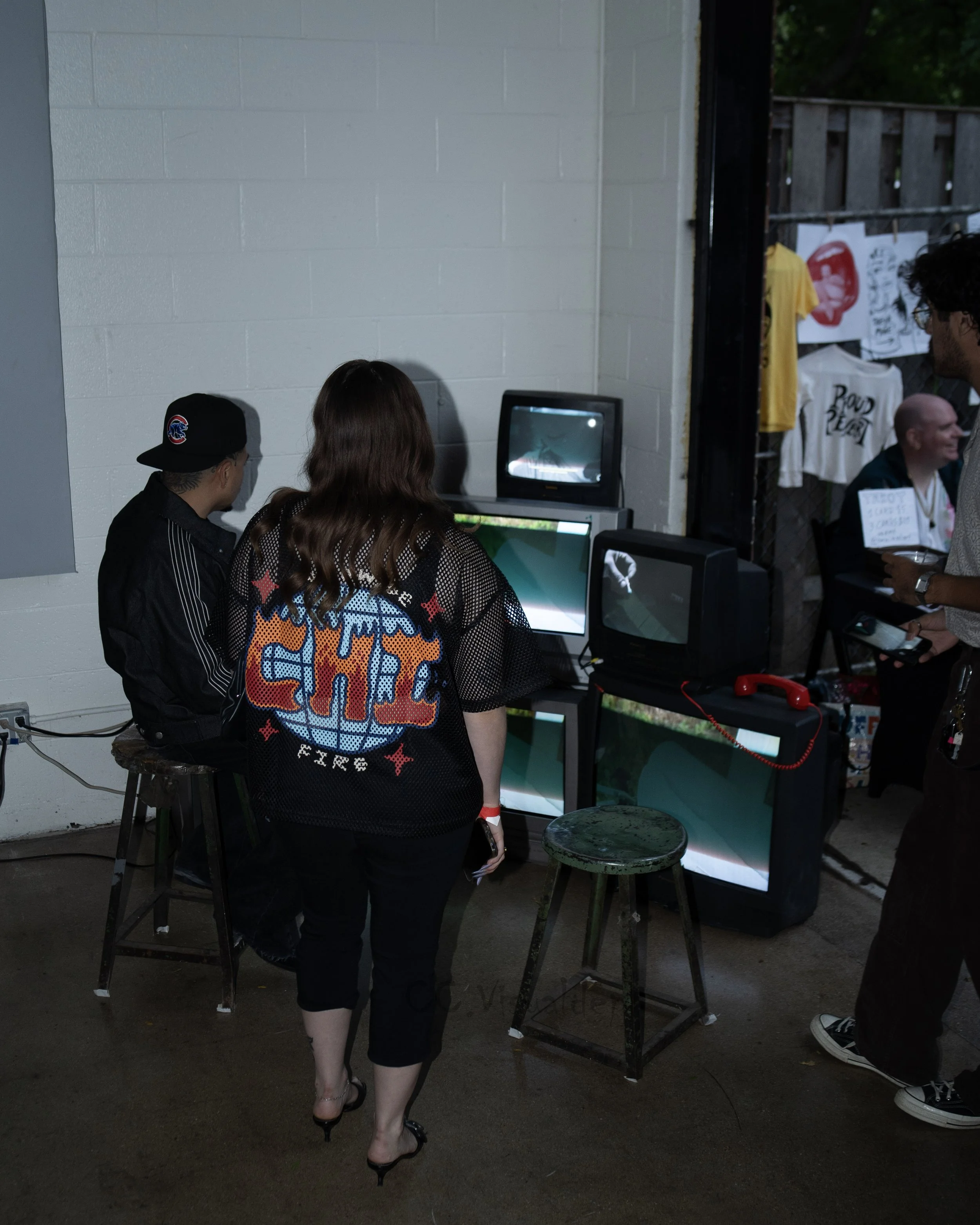
The television installation documented the evolution of the project over the previous year. Every video shown throughout the installation was filmed and edited by me. Three televisions featured handsets visitors could pick up to hear confessions read aloud, artists responding to anonymous submissions, and Chicagoans reflecting on each other's stories. The installation almost disappeared entirely one week before opening when the technician responsible for the CRT setup suffered a back injury. Rather than abandon the installation, we agreed to transport and move every television ourselves, carrying more than a dozen vintage CRTs weighing over fifty pounds each down multiple flights of stairs.
It became one of the most physically demanding parts of the build—and one of the most rewarding.
CRT Television Installation
Sucker Punch
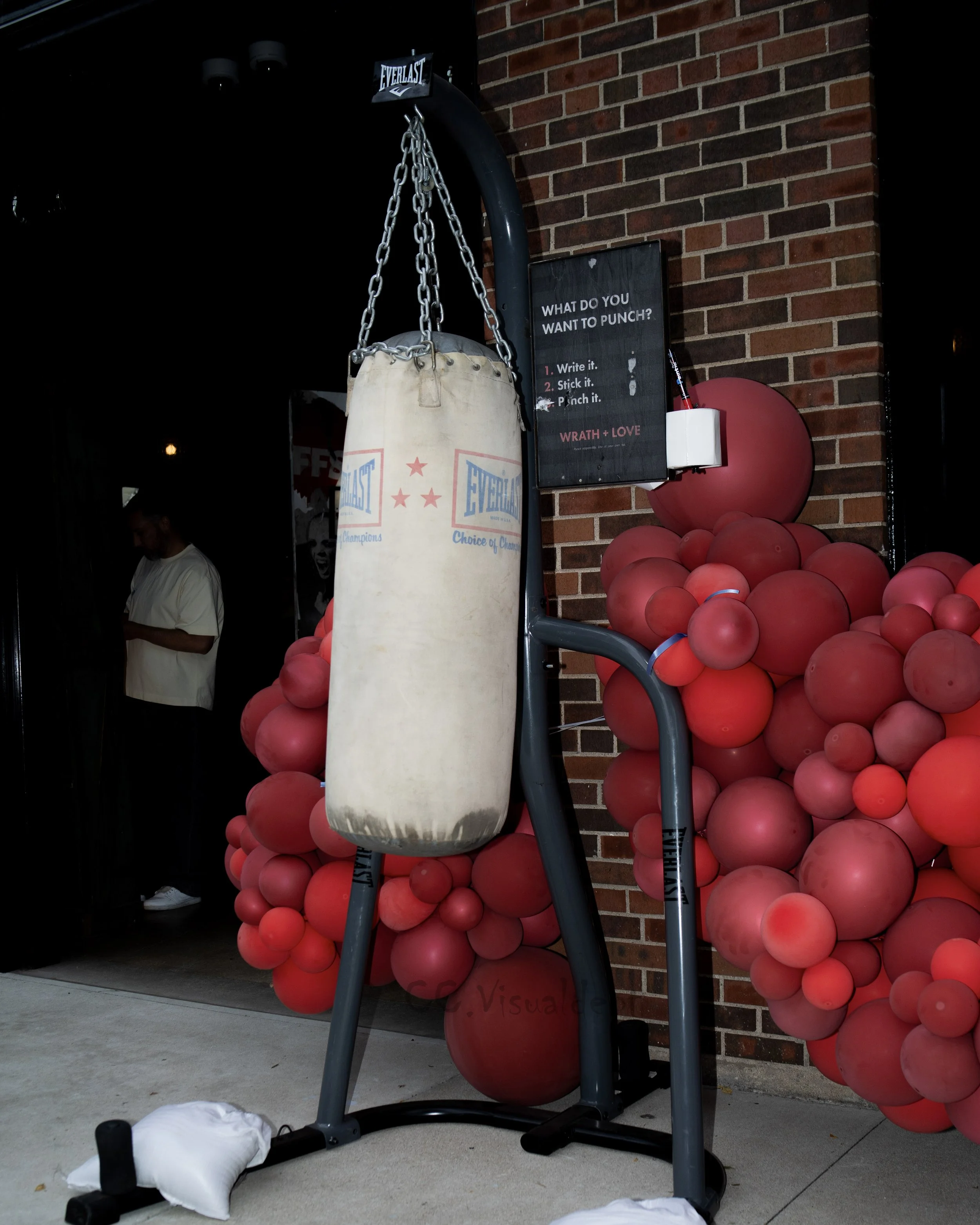
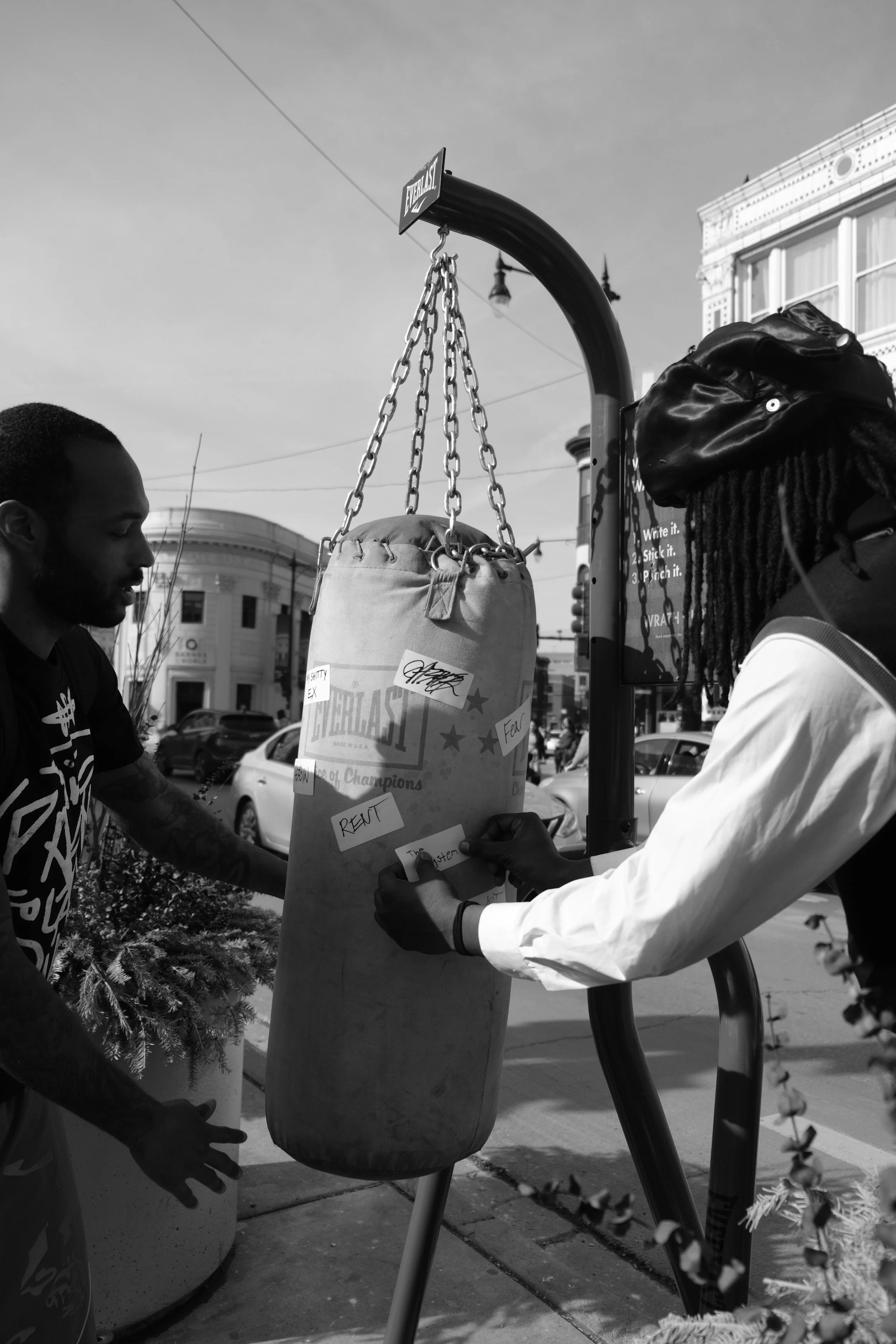
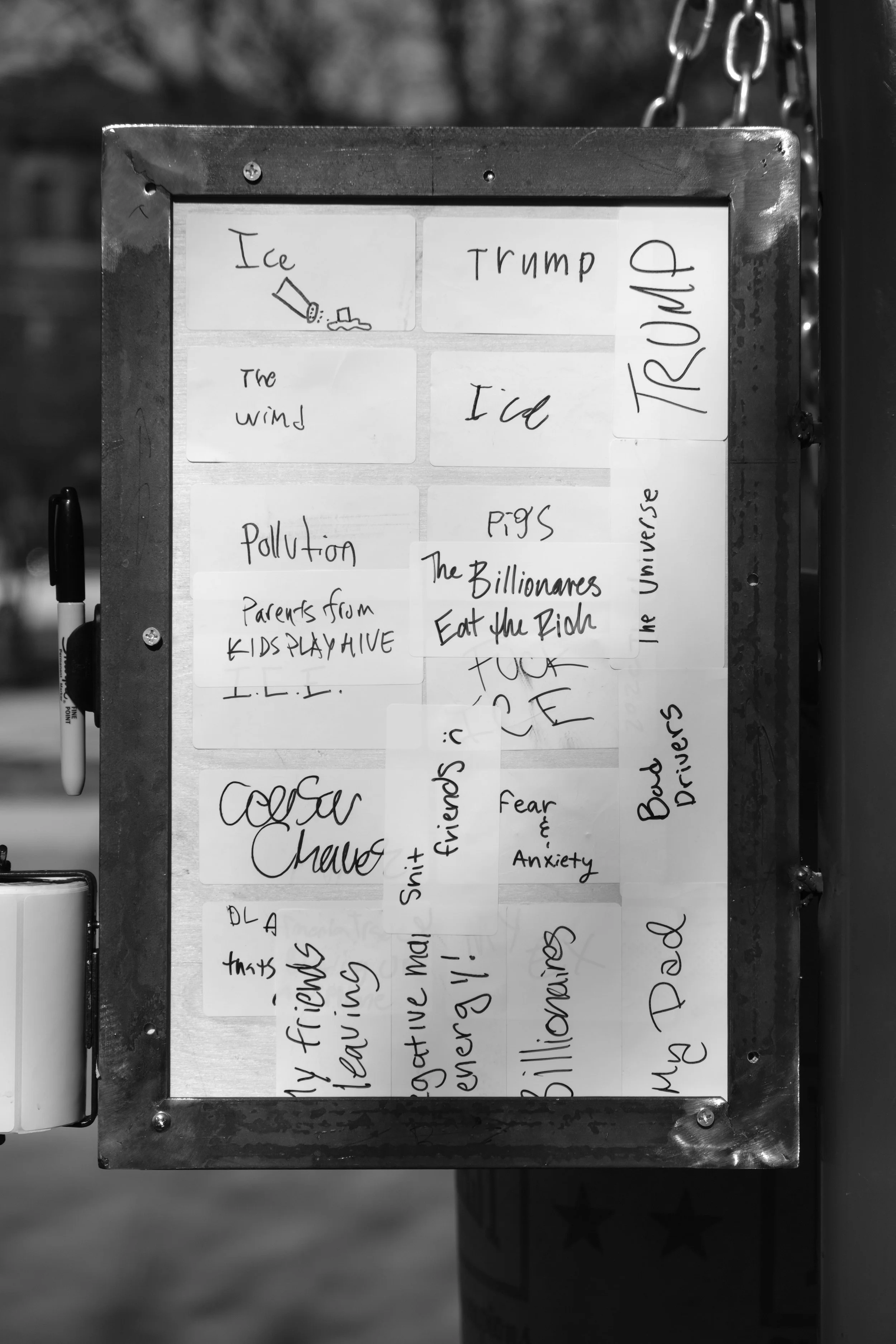
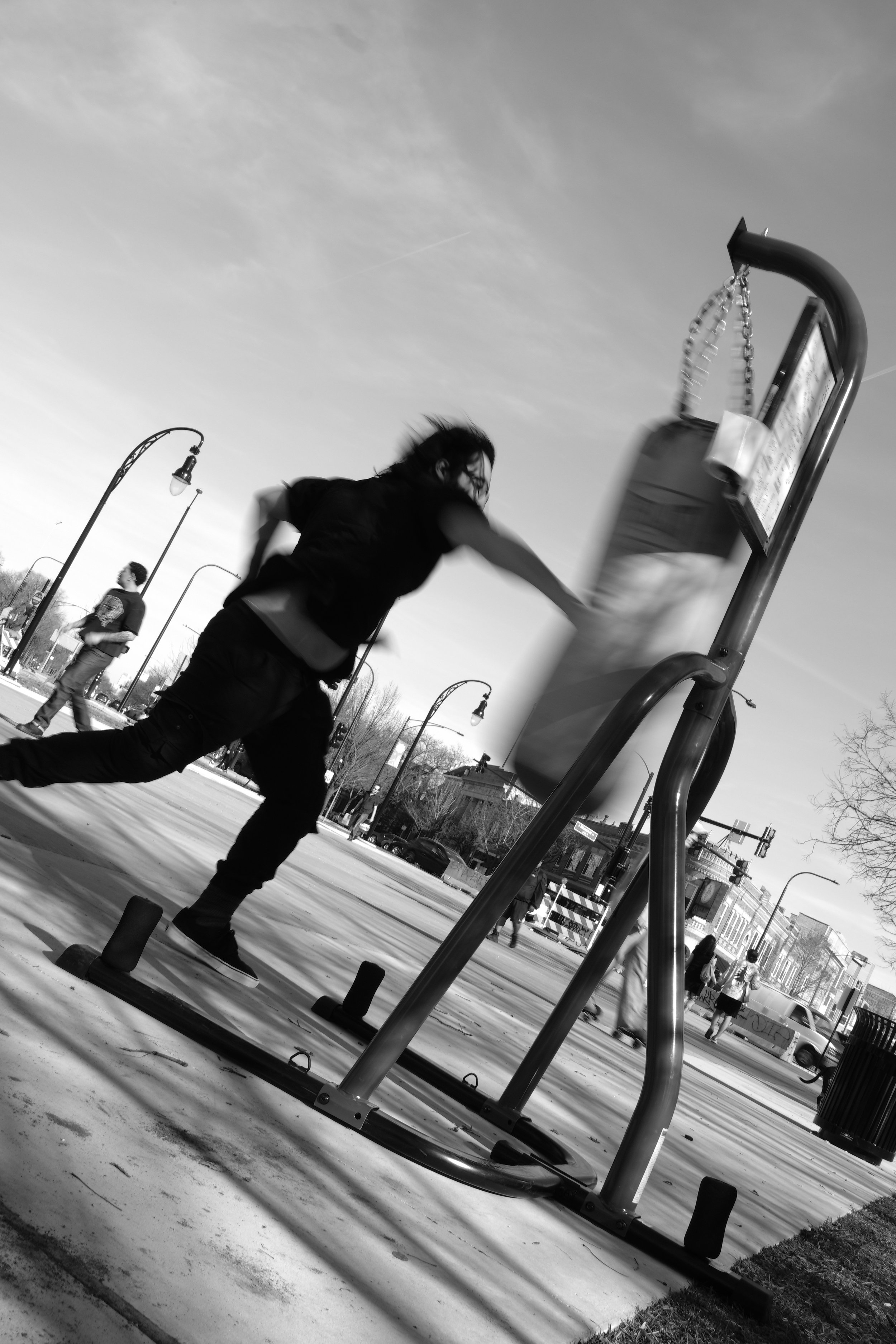
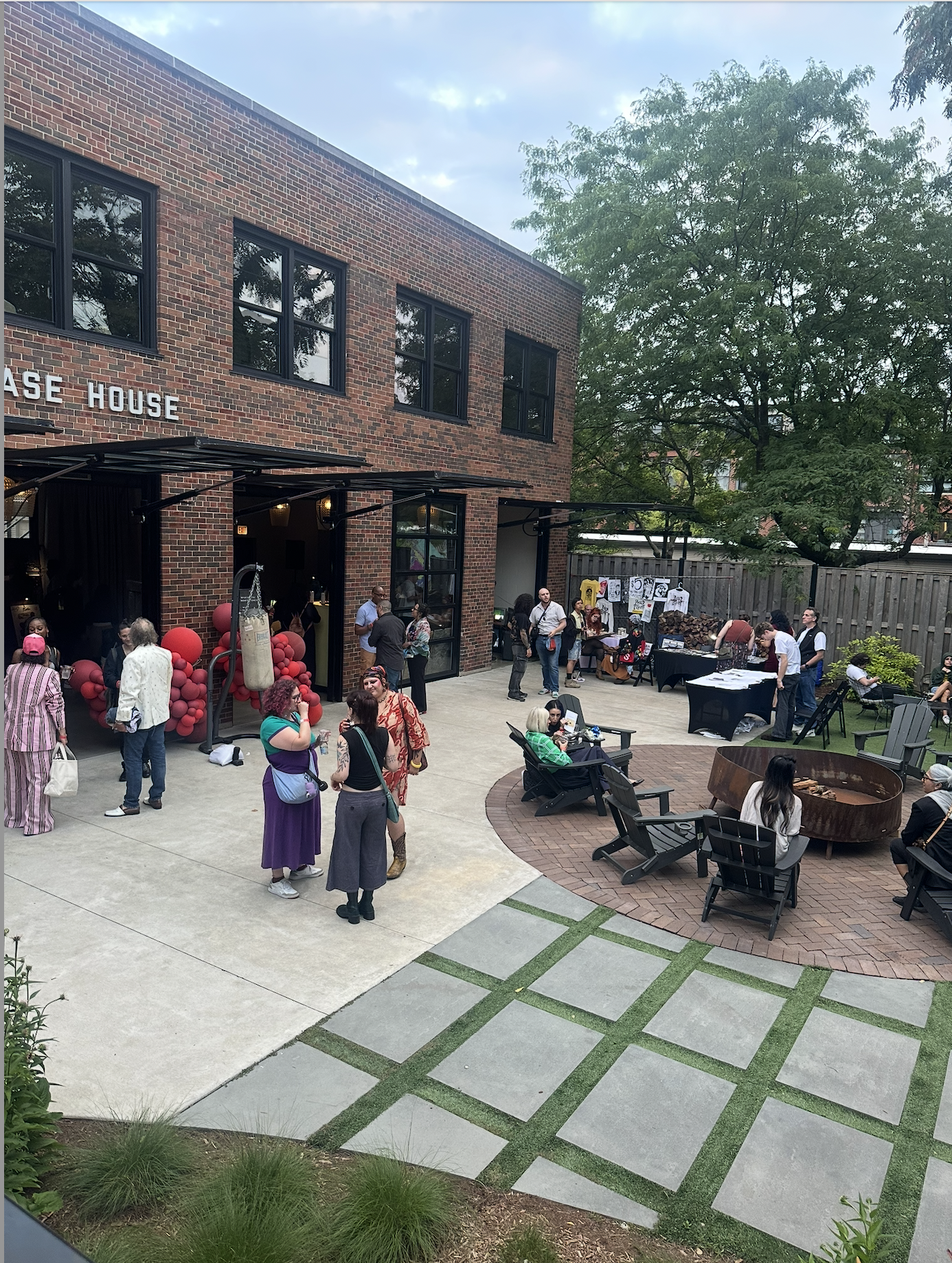
Hidden within the exhibition was a preview of the next WRATH + LOVE project. Visitors were invited to write down what they wanted to punch, attach it to a heavy bag, and physically strike it. The installation functioned as both an interactive experience and an Easter egg, hinting at where the project is headed next. Watching visitors immediately understand the concept confirmed that it deserved to become its own project.
The Voice
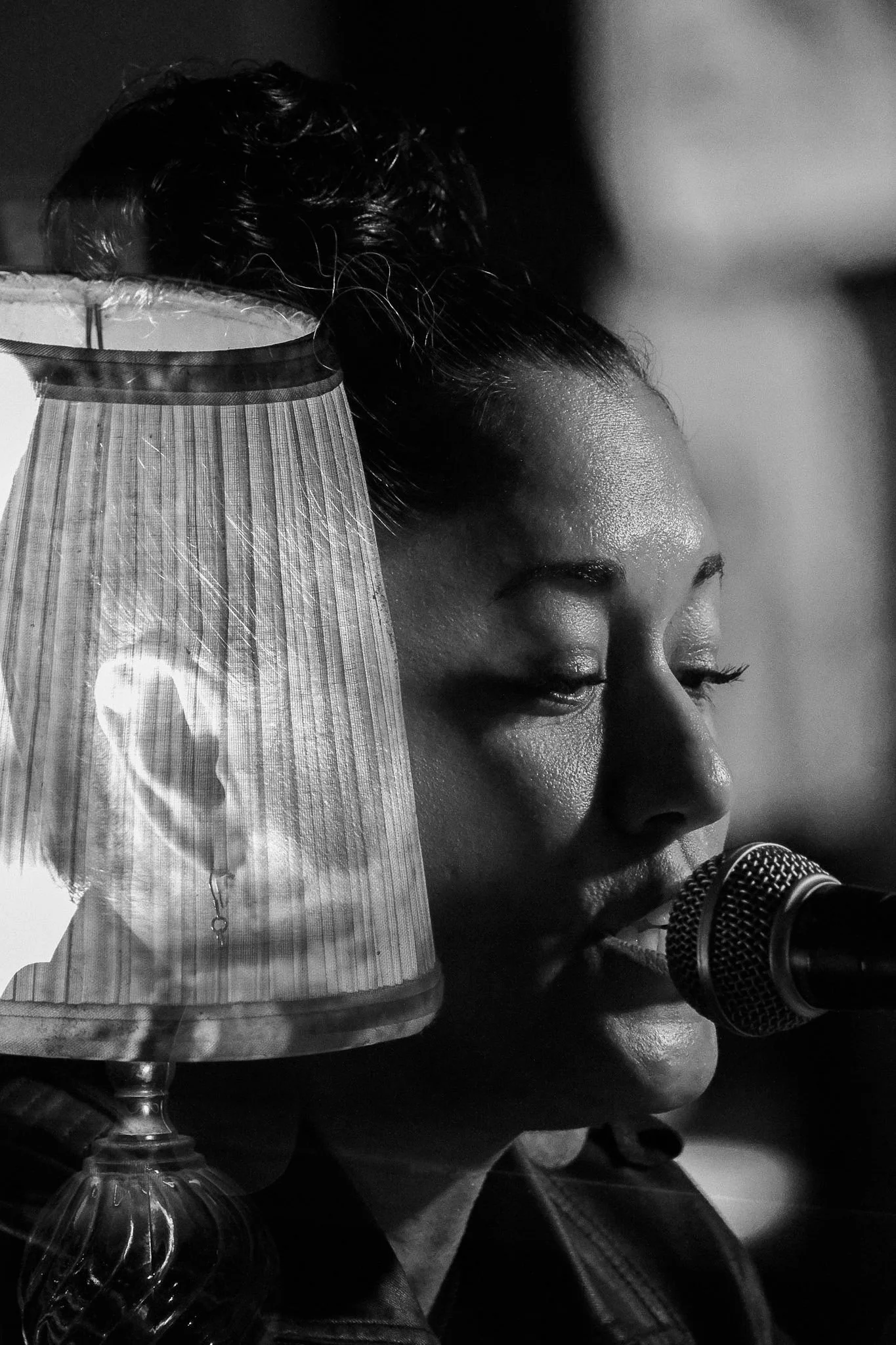
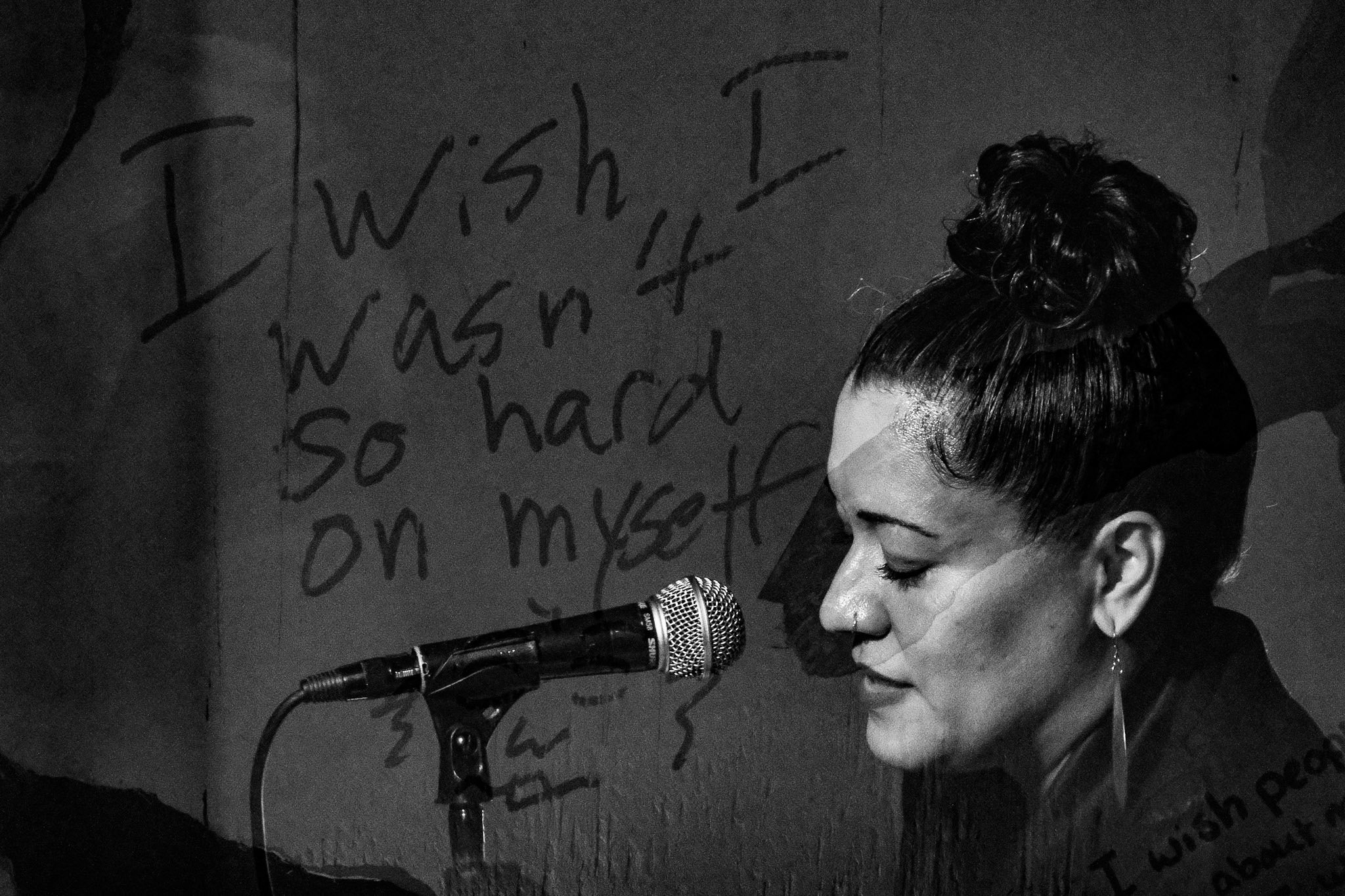
Rather than treating the exhibition as a static gallery, I wanted it to evolve throughout the evening. Chicago Poet Laureate Mayda Del Valle was invited to respond to the archive through a live performance. Rather than simply reading existing work, she surprised the audience by debuting original poems written specifically for the exhibition, creating a shared moment that connected the archive, the artwork, and the audience.
Experience Goal: Transform the exhibition from a place people visited into an event they experienced together.
Artists & Collaboration
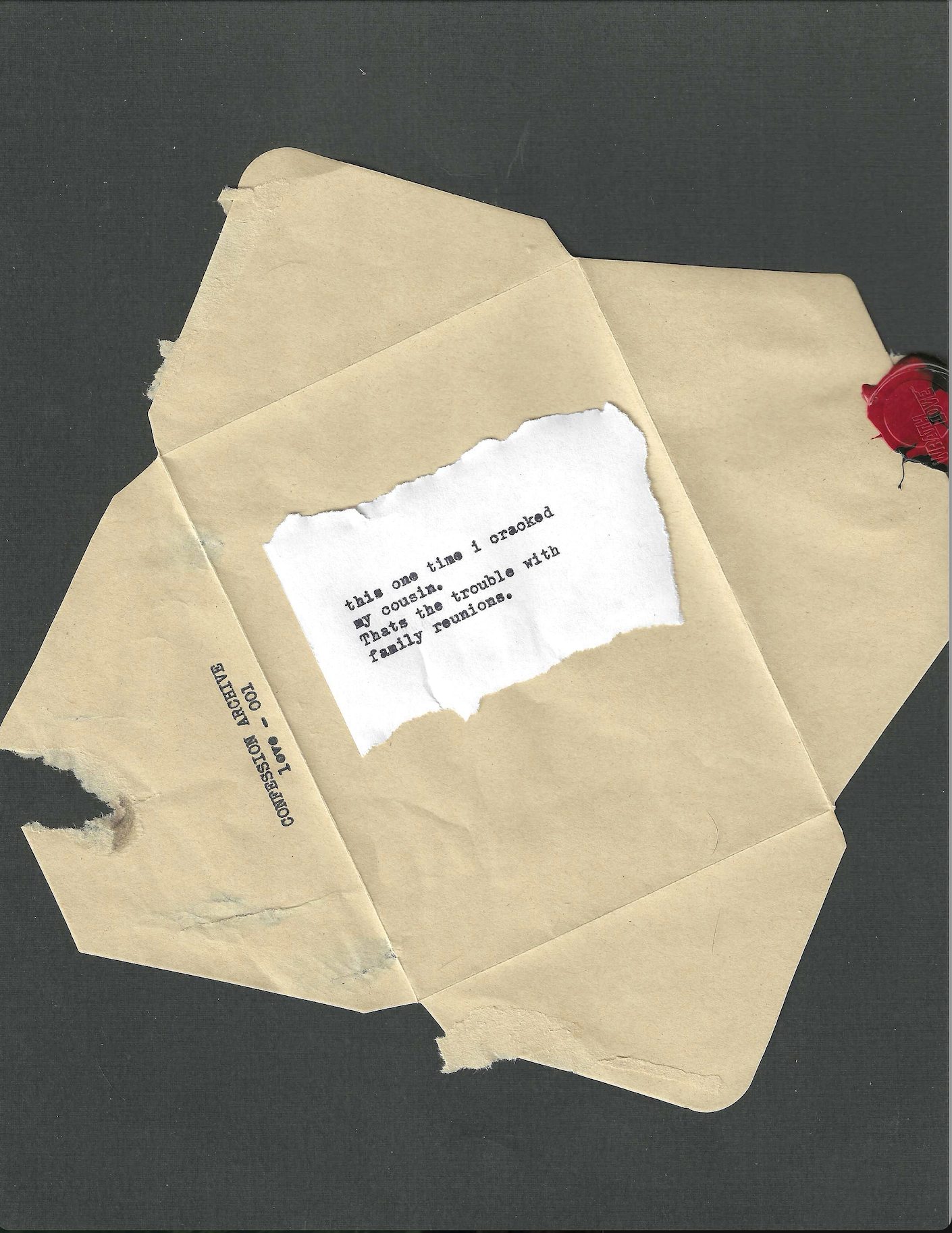
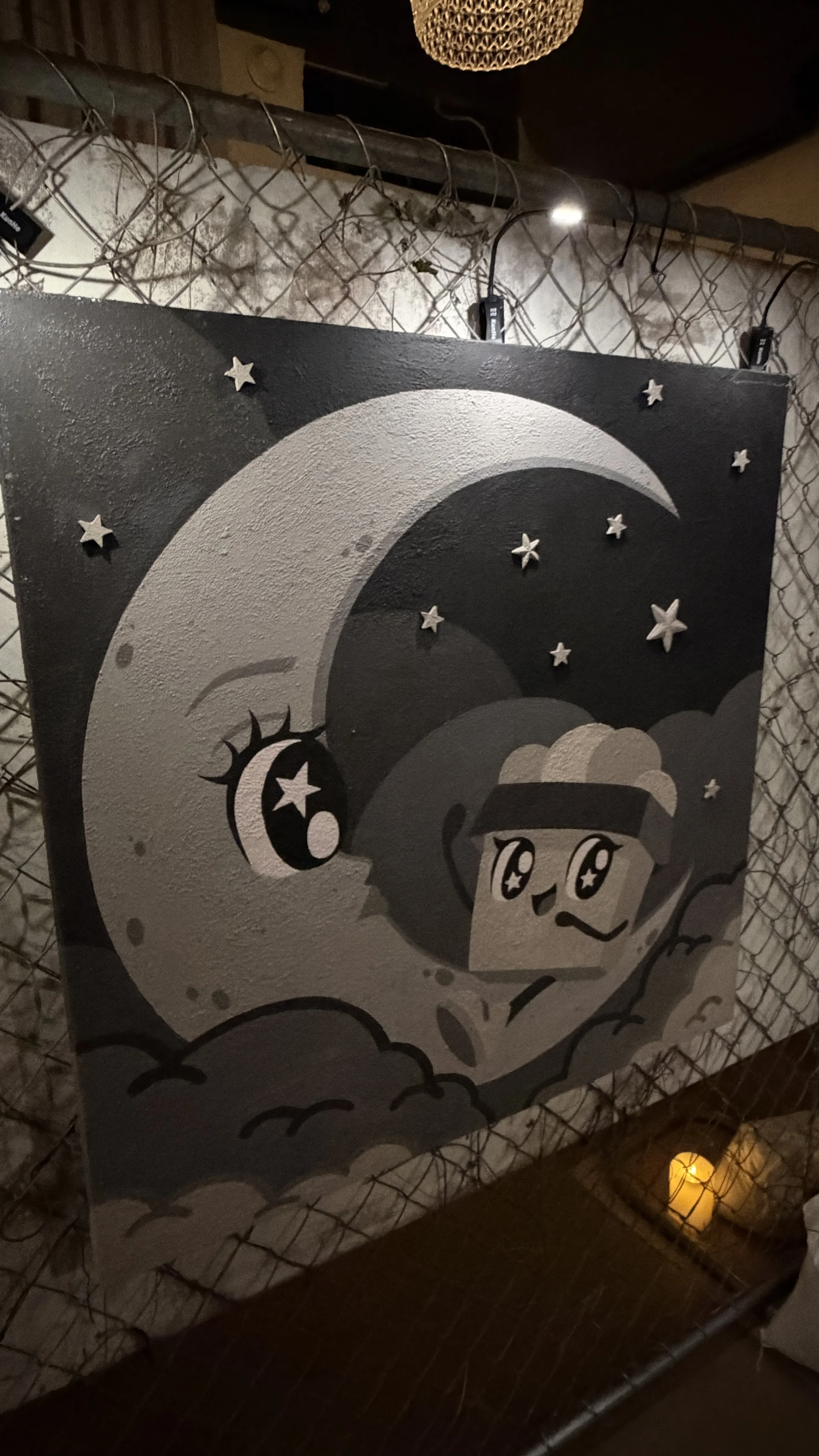
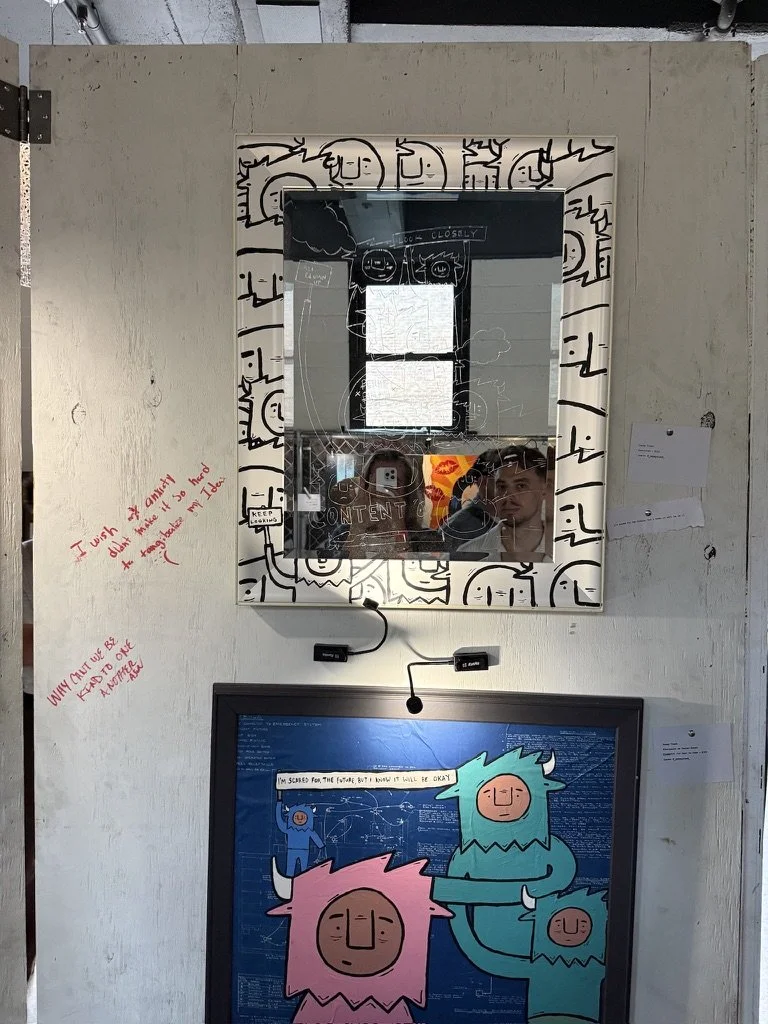
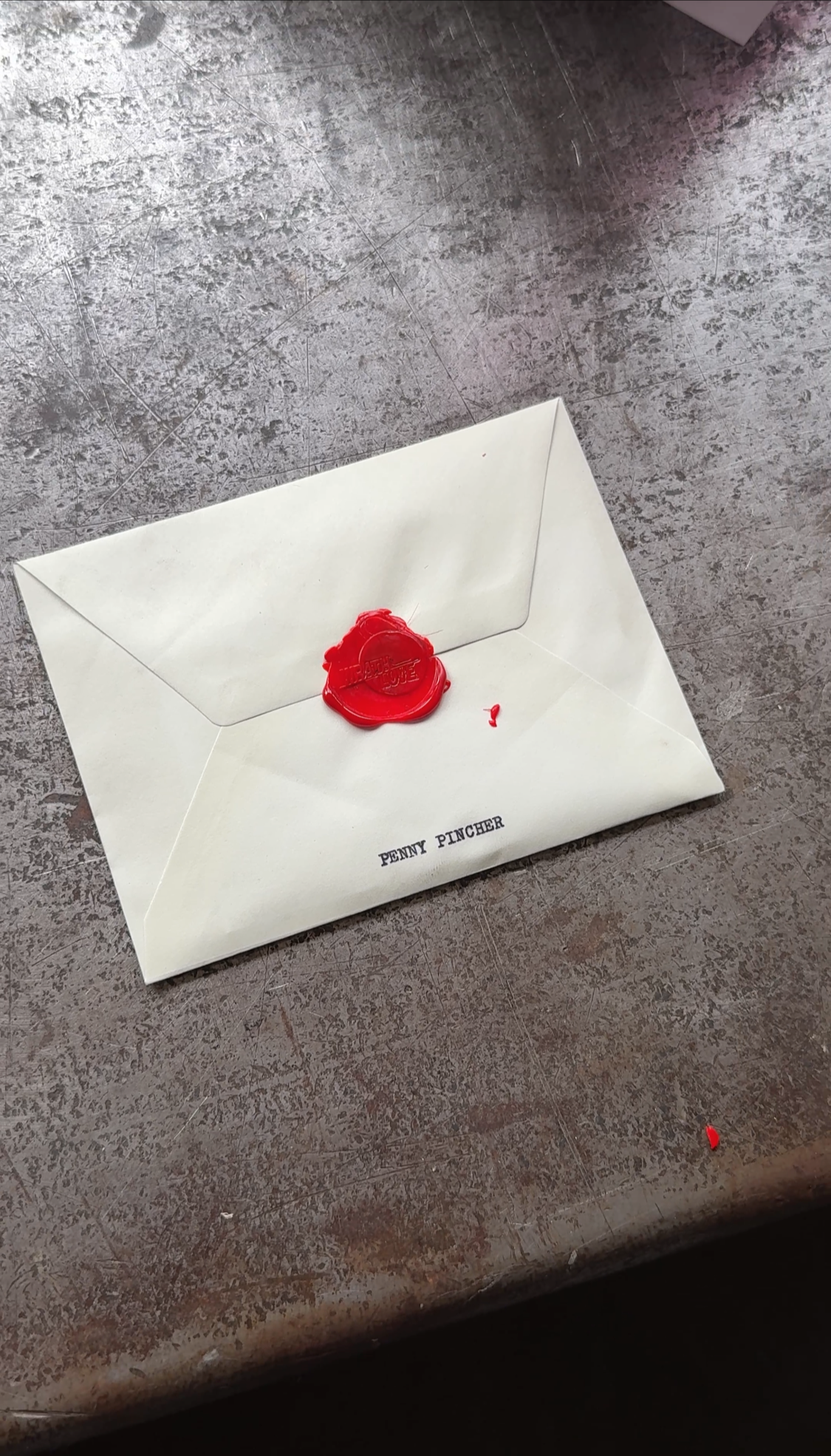
One of the exhibition's defining elements was its collaboration with Chicago artists. Each participating artist received an anonymous confession from the archive and was invited to create an original work inspired by it. Rather than sending emails, I personally delivered physical invitations throughout Chicago. Each invitation contained a confession sealed inside an envelope. Many artists told me it was the first physical invitation they had ever received for an exhibition. That mattered. The project was rooted in the city and its creative community, and I wanted the invitation itself to feel like part of the artwork. Artists were given complete creative freedom, provided their work respected the integrity of the project. Over the following weeks my truck slowly filled with paintings, sculptures, installations, and framed works collected from studios across Chicago until every available inch of space was occupied. Watching those pieces come together inside one room remains one of my favorite parts of the project.
Promotion
The exhibition was promoted the same way the archive was built: by meeting people where they already were.
Street Activation
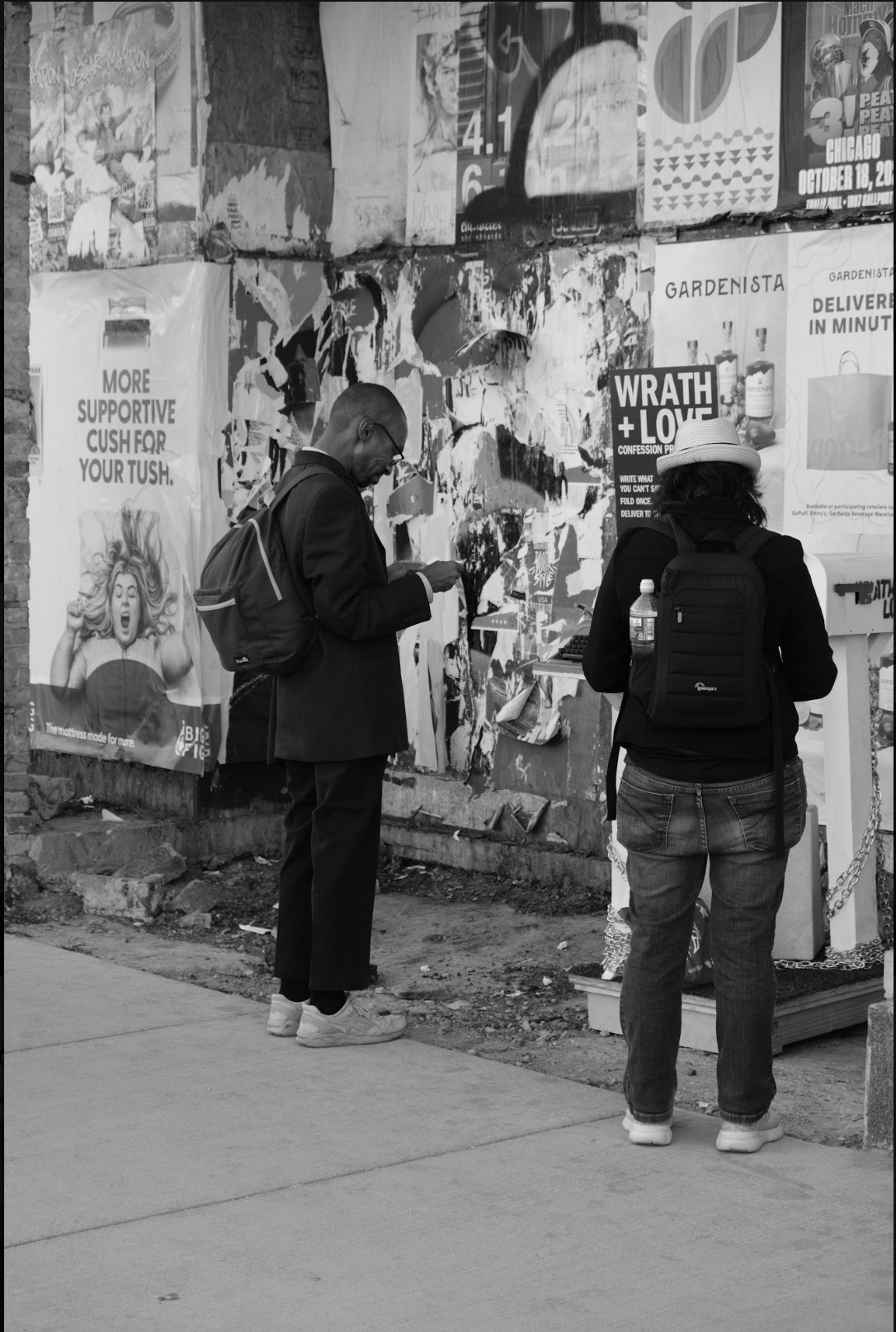
Throughout the month leading up to the exhibition I continued bringing the confession booth into Chicago neighborhoods. People who stopped to submit confessions were introduced to the exhibition, given flyers, and invited to experience the archive in person. Rather than separating marketing from the artwork, promotion became another extension of the project itself.
Nearly every promotional video was filmed, edited, and published by me. Instead of simply advertising an event, the content documented the evolution of the exhibition as it was being built—from artist announcements to installation construction, archive development, and behind-the-scenes fabrication. The goal was to make audiences feel invested long before opening night.
Social Media
The project also returned to television through appearances on FOX 32 and WGN while continuing coverage with Block Club Chicago. Interestingly, television had little measurable effect on ticket sales. Social media—particularly TikTok—proved significantly more effective at driving attendance. That lesson fundamentally changed how I think about promoting future projects. All links below are clickable.
WGN: Initial Coverage
WGN: Event Coverage
Fox32: Morning Show
Block Club Chicago: Article
Television & Press
Opening Night
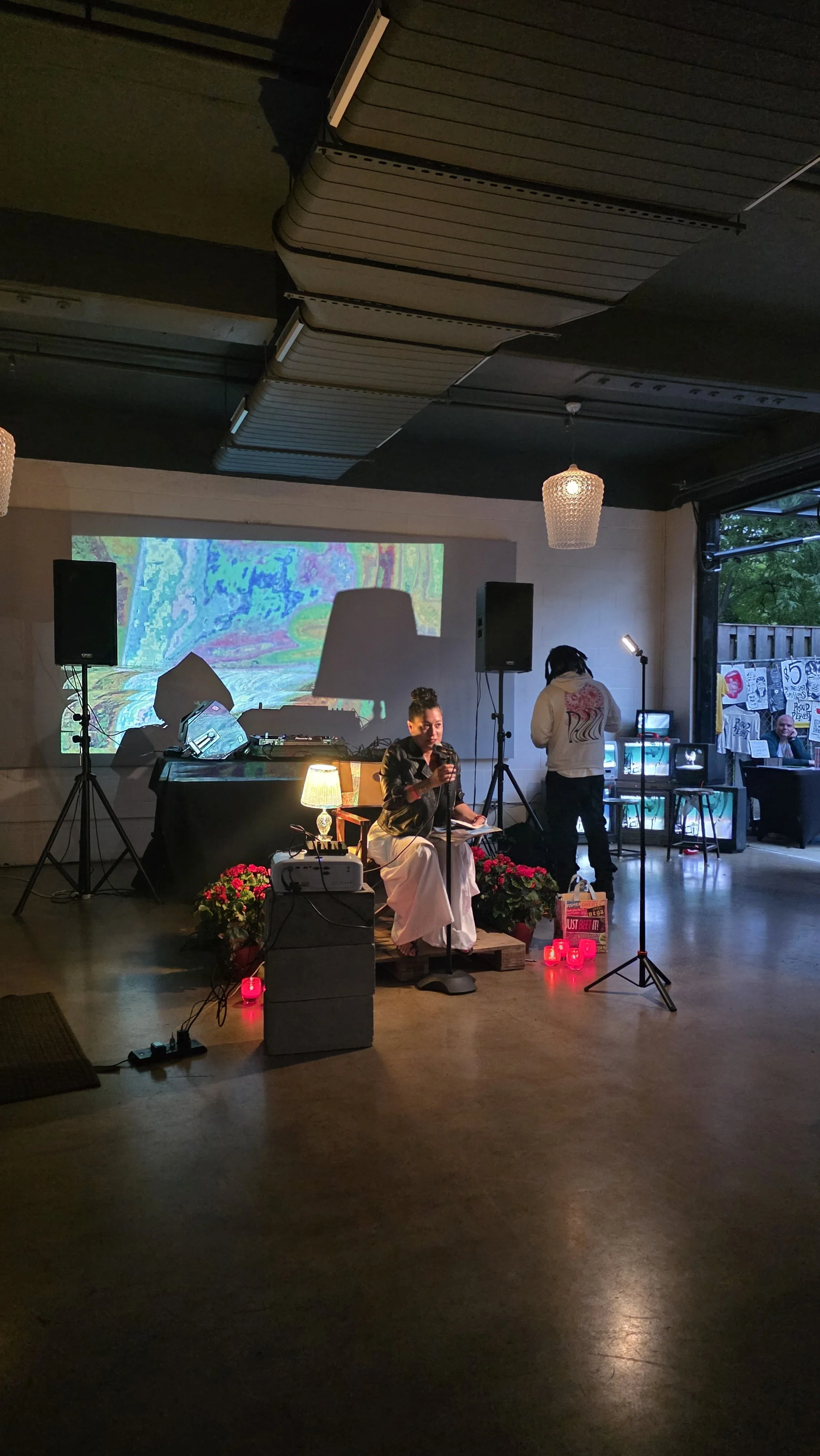
The exhibition welcomed approximately 200 guests. The final light fixture was hung as the first visitors walked through the door. There was no buffer. The project had reached the finish line with seconds to spare. Throughout the evening visitors explored the archive, listened to confessions through vintage telephones, added their own stories, interacted with installations, viewed artwork inspired by anonymous submissions, and attended a special performance by Chicago Poet Laureate Mayda Del Valle. Originally she told me she would simply read existing work. Instead, she surprised everyone by debuting original poems written specifically for the evening before closing with several songs of her own. It became one of the most memorable moments of the exhibition. Another came from watching artists successfully sell their work while hearing guests repeatedly say they had never experienced anything quite like the exhibition before.
What Almost Didn't Happen
Looking back, the exhibition feels surprisingly seamless. It wasn't. Artists stopped responding. One dropped out entirely only to be replaced by what became one of the exhibition's most memorable works. Another delivered artwork while we were actively installing the show. The chain-link fence nearly failed. The television installation nearly disappeared. My truck battery died and survived the final week only because I carried a jump starter everywhere I went. The room layout was redesigned only days before opening. Installation took place in a four-hour window. After the exhibition ended, everything was dismantled that same night, unloaded by 5:00 a.m., and I didn't make it home until nearly 6:00 a.m. The exhibition wasn't built because everything went according to plan. It was built because every new obstacle simply became another design problem to solve.
Results
1,000+ anonymous confessions collected
Approximately 200 exhibition attendees
16+ Chicago artists featured
Coverage from FOX 32, WGN, and Block Club Chicago
Dozens of original installations, videos, and interactive experiences
Approximately four weeks from commitment to opening night
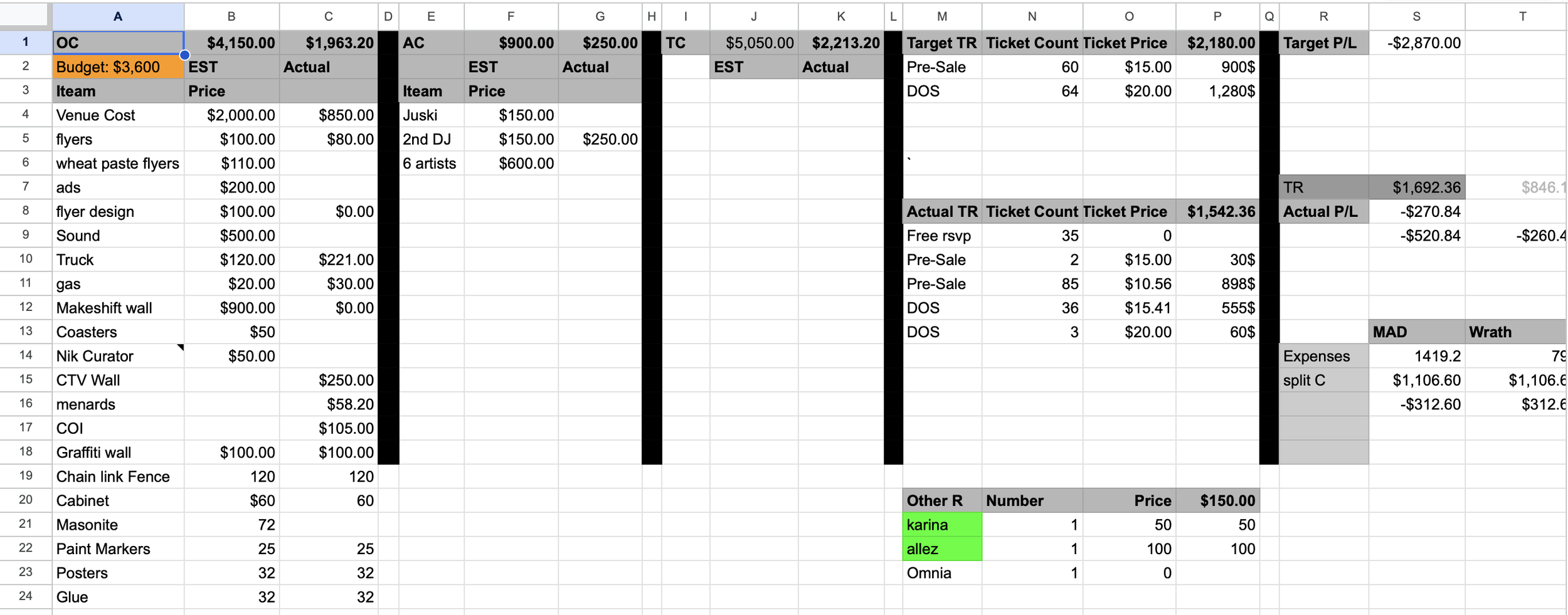
Broke even financially while remaining completely self-produced
When I started The Confessions Project, I thought I was collecting stories. What I was really collecting was trust. People trusted a stranger enough to confess something they had never said aloud. Artists trusted the project enough to create work from those confessions. Visitors trusted the exhibition enough to continue adding to the archive. This exhibition became proof that ambitious public art does not require institutional backing to create meaningful experiences. It requires an idea worth believing in, the willingness to solve impossible problems one at a time, and the determination to keep building long after the outcome is uncertain. The Confessions Project was never about creating an exhibition. It was about building a space where strangers could recognize pieces of themselves in one another.
This exhibition was simply the first chapter.
Reflection
FEATURING ARTISTS
WITH A SPECIAL READING BY THE POET LAUREATE OF CHICAGO